First Come, First Served: Why EV Funding Readiness Matters
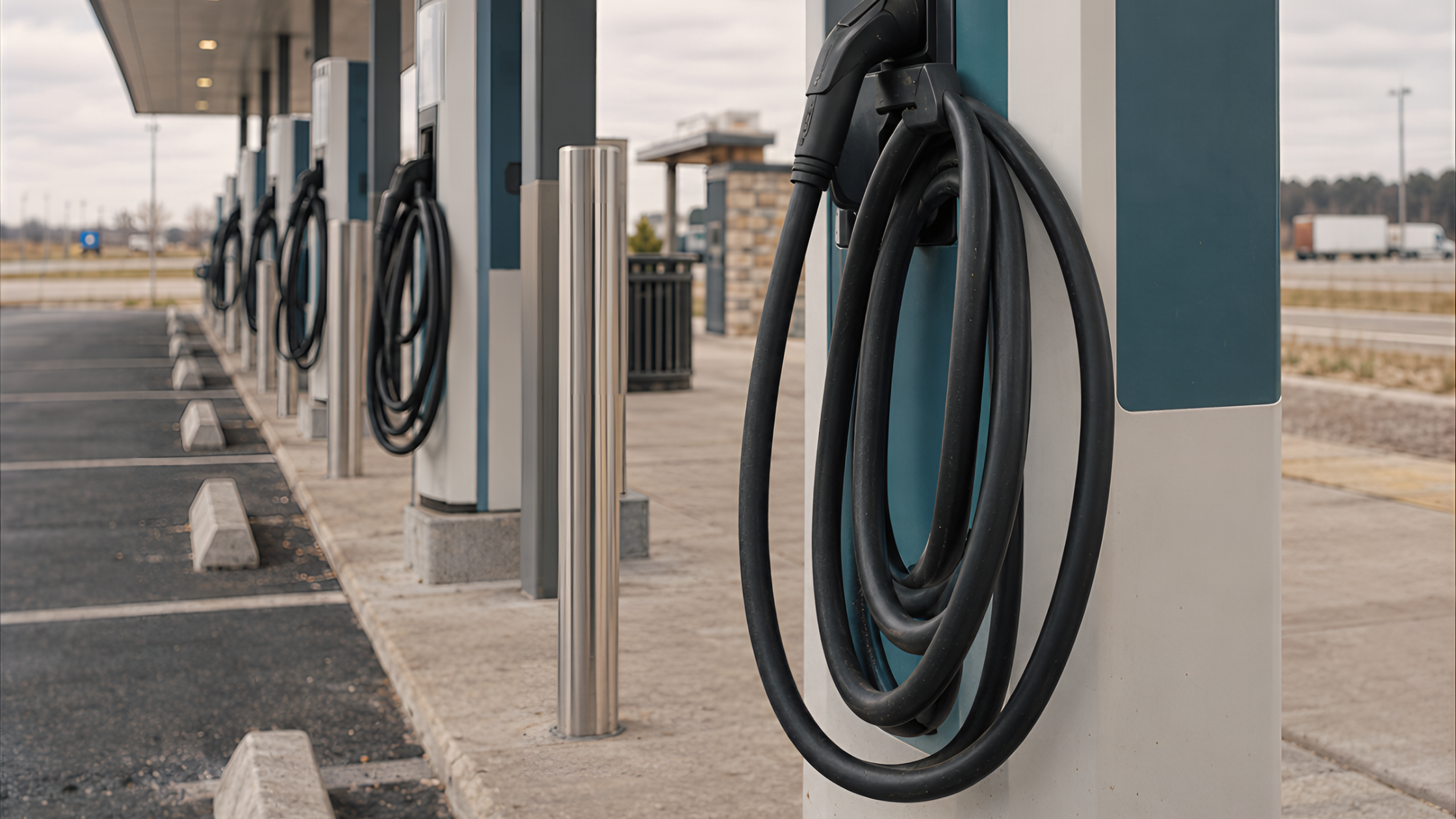
EV charging incentives can help reduce infrastructure costs, but organizations that wait until funding becomes available to begin planning may find themselves racing against the clock.
For businesses and property owners considering electric vehicle charging, financial incentives can make an infrastructure investment more manageable. Rebates and grants may offset eligible equipment, installation, and electrical infrastructure costs, depending on the program.
But identifying available funding is only one part of the process. Organizations also need to determine whether their property, proposed charging equipment, and project budget align with the opportunity.
When funding is awarded on a first-come, first-served basis, those decisions become particularly important. A program may remain open for months, but available funds can be committed well before an organization finishes evaluating its project.
The advantage often belongs to organizations that begin planning before they need to apply.
Why First-Come, First-Served Funding Changes the Timeline
Unlike competitive grant programs that evaluate applications after a fixed deadline, first-come, first-served programs generally process eligible applications as they arrive, subject to program rules and available funding.
Oregon's Community Charging Rebates Program provides a current example.
Round 5 opened in October 2026 with approximately $5.5 million available to support eligible EV charging projects at multifamily properties, workplaces, and publicly accessible parking areas.
The program offers rebates for Level 2 charging stations and, for the first time, eligible public DC fast charging projects. Rebates are awarded on a first-come, first-served basis, and the funding opportunity remains open until available funds are reserved.
For organizations considering an application, this creates an important distinction: having time to apply does not necessarily mean funding will still be available when a project is ready.
The Work That Happens Before an Application
An organization may know it wants EV charging without knowing what installation will require.
For example, a commercial property owner might want to install four Level 2 charging ports for employees and visitors. Before determining whether a rebate makes financial sense, the owner needs a clearer understanding of the property's electrical infrastructure, equipment requirements, installation considerations, and estimated project costs.
Electrical capacity is especially important. Some properties may be able to support charging equipment with relatively modest modifications, while others could require additional electrical work or utility coordination.
The location of the chargers also matters. Distance from the electrical service, parking configurations, accessibility requirements, and construction conditions can influence installation costs.
These considerations affect more than the construction schedule. They help establish whether a proposed project is financially practical and whether its design aligns with funding requirements.
An organization that has already investigated these questions can evaluate a new incentive opportunity with substantially more information than one starting from scratch.
Funding Eligibility Is Not the Same as Project Readiness
Finding a program that supports EV charging does not automatically mean a particular project qualifies. Funding opportunities can establish requirements related to applicant type, property use, equipment specifications, public accessibility, geographic location, and documentation.
For Oregon's current Community Charging Rebates round, eligible applicants include businesses, nonprofits, public entities, Tribes, and owners of multifamily housing. The program also establishes specific equipment and operational requirements.
An organization may fit an eligible applicant category but still need to adjust its project to meet the program's technical conditions. Understanding these requirements early can help avoid investing time in an application that does not match the proposed installation.
It can also help organizations identify which decisions need to be made before pursuing funding.
Why Waiting Can Increase Project Uncertainty
Consider two organizations interested in installing EV charging stations.
The first has already assessed its property, identified its charging needs, discussed installation considerations, and developed a preliminary budget. The second begins exploring those same questions after learning that funding is available.
Both organizations may ultimately qualify for assistance. However, the first can evaluate the opportunity against an existing project plan, while the second must establish the basic project details before determining whether to proceed.
That difference can matter when funding is limited. The second organization may need additional time to obtain information, evaluate equipment options, or understand potential electrical upgrades. Meanwhile, other applicants may already be submitting projects for consideration.
This does not mean organizations should rush into poorly planned installations simply to pursue incentives.
It means that the best time to understand an EV charging project is before a funding deadline or limited allocation makes every decision more urgent.
Readiness Also Supports Better Financial Decisions
Funding availability should not be the only reason an organization installs EV charging infrastructure.
Property owners and business operators still need to consider how the equipment will be used, who will rely on it, and what the long-term operating responsibilities may involve. A workplace installing chargers for employees may have different requirements than a multifamily property serving residents or a business offering public fast charging.
Those differences influence equipment selection, charging capacity, installation design, and ongoing costs. Developing a preliminary project plan gives decision-makers a clearer financial picture, including the potential investment before incentives and the remaining costs after eligible funding is applied.
It also allows organizations to compare available opportunities without assuming that every rebate covers the same expenses. The result is a more informed investment decision, regardless of whether a particular funding opportunity is ultimately pursued.
Oregon's Current Funding Opportunity Makes Readiness Relevant Now
Oregon's Round 5 Community Charging Rebates Program demonstrates why early preparation matters.
The program does not have a fixed application deadline. Instead, it will remain open until the available funds are exhausted, with applications processed on a rolling, first-come, first-served basis.
The program also includes funding allocations for priority communities, limited funding for Level 2 projects, and updated equipment requirements. For property owners considering charging infrastructure, those details make it important to review the current guidelines rather than relying on assumptions from previous funding rounds.
Organizations that already understand their proposed installation are in a stronger position to determine whether the opportunity aligns with their needs. Those still exploring charging infrastructure can use the current program as a reason to begin that evaluation.
Start With the Project, Not the Application
EV charging incentives can create valuable opportunities, but successful infrastructure planning begins with understanding the property and its charging requirements.
Before pursuing funding, organizations benefit from knowing what they want to install, what their site can support, and what the project may cost.
That preparation helps them evaluate opportunities more efficiently, make informed financial decisions, and avoid unnecessary delays when funding becomes available.
Is Your Property Ready for EV Charging?
Funding opportunities can help reduce installation costs, but understanding your property's charging needs is the first step toward determining what's possible.
Whether you're considering chargers for a workplace, multifamily property, commercial location, or fleet, Charli Charging can help you explore your infrastructure options.
Ready to move your project forward?
Complete our Quick Customer Intake Form to tell us about your property and charging needs.