
Blog
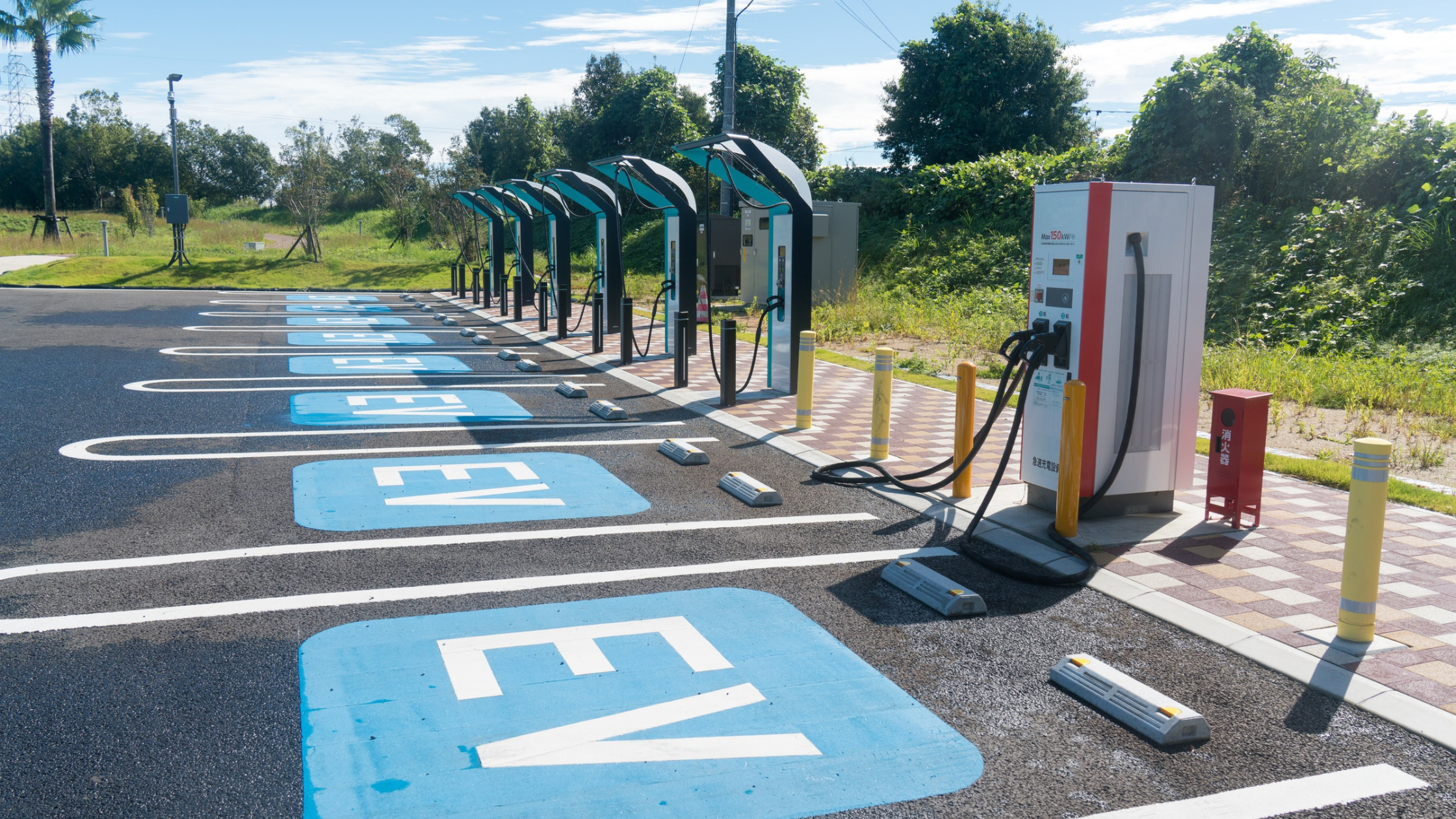
Before You Apply for EV Funding, Ask These 5 Questions
EV charging funding can help make a project more affordable, but is your property ready? Explore five important questions about charging needs, site readiness, project costs, and eligibility before applying for incentives.
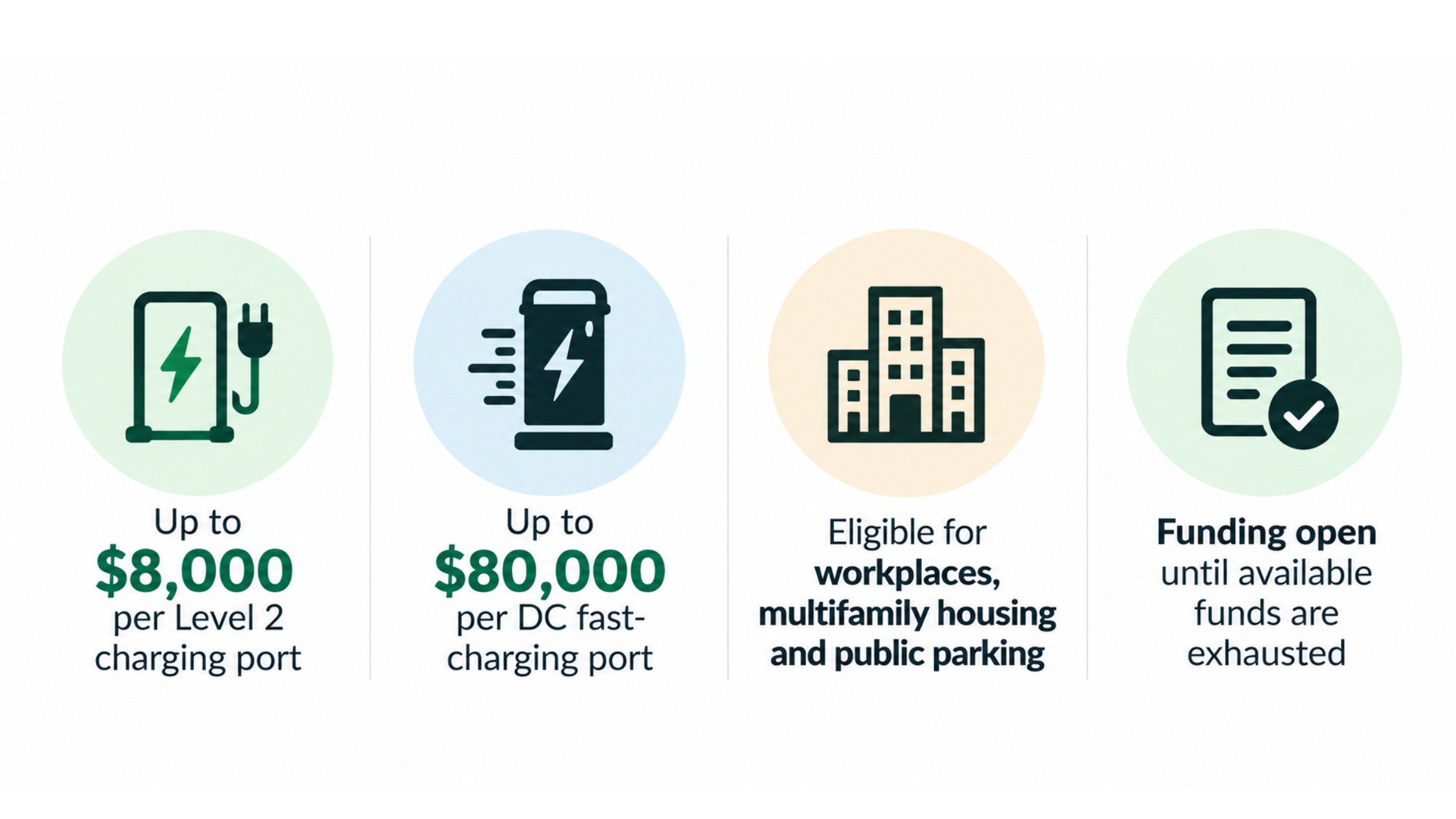
Oregon EV Charging Funding Is Open. Here’s What Property Owners Should Know!
Oregon has opened a new round of EV charging rebates, with funding available for Level 2 and DC fast-charging projects. Here's what property owners should know about eligibility, project readiness, and determining whether the opportunity is a good fit.
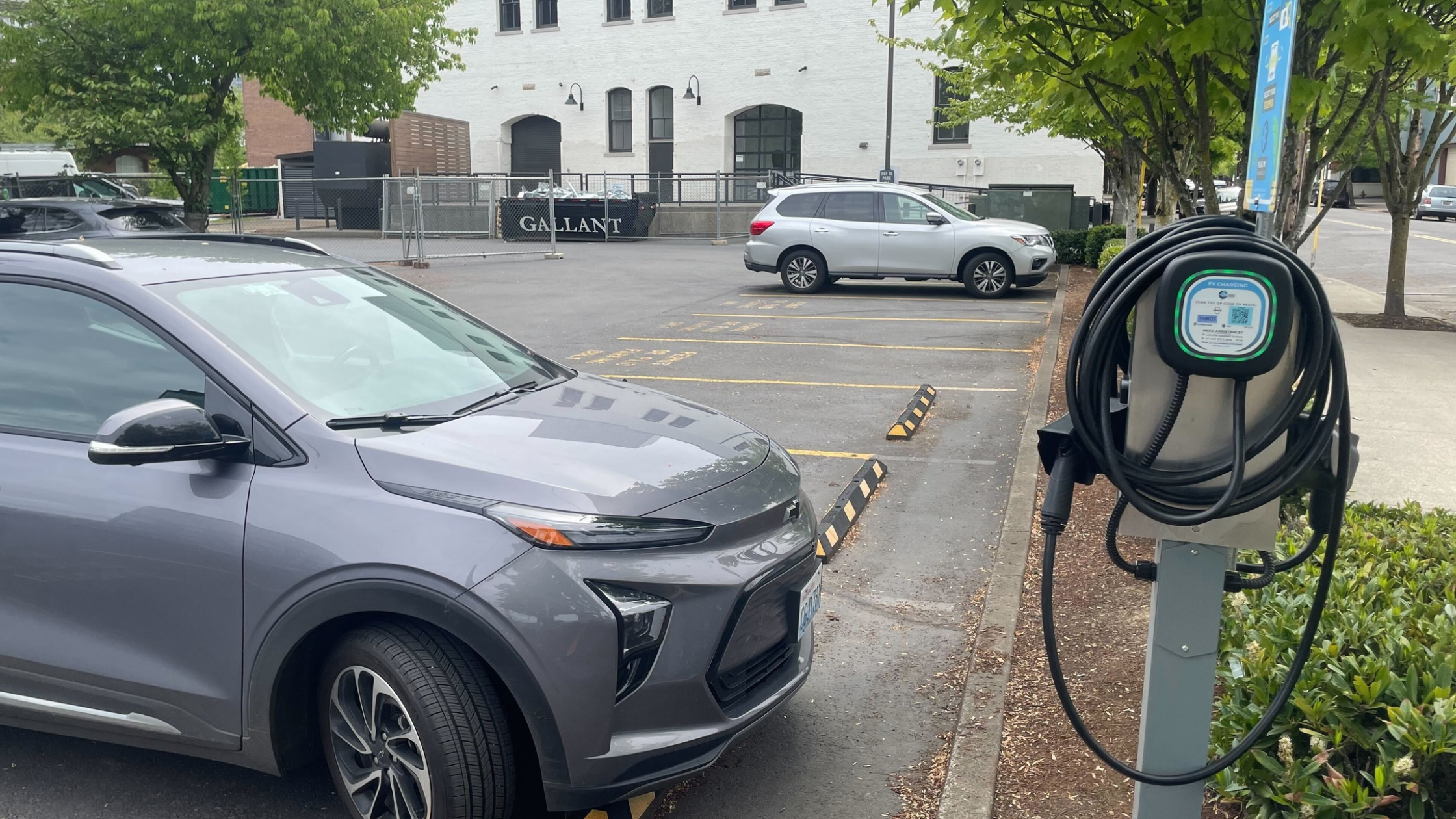
The EV Project You Don’t Budget for Now Could Cost More Later
Delaying an EV charging project doesn’t always mean saving money. Deferred planning can lead to missed funding opportunities, reactive equipment replacement and fewer choices when infrastructure needs become urgent.

Planning for Funding Before the Opportunity Opens
Funding opportunities can move quickly. For nonprofits and community-serving organizations, understanding EV infrastructure needs, project scope and potential costs before funding opens can make it easier to identify the right opportunities and act when the timing makes sense.
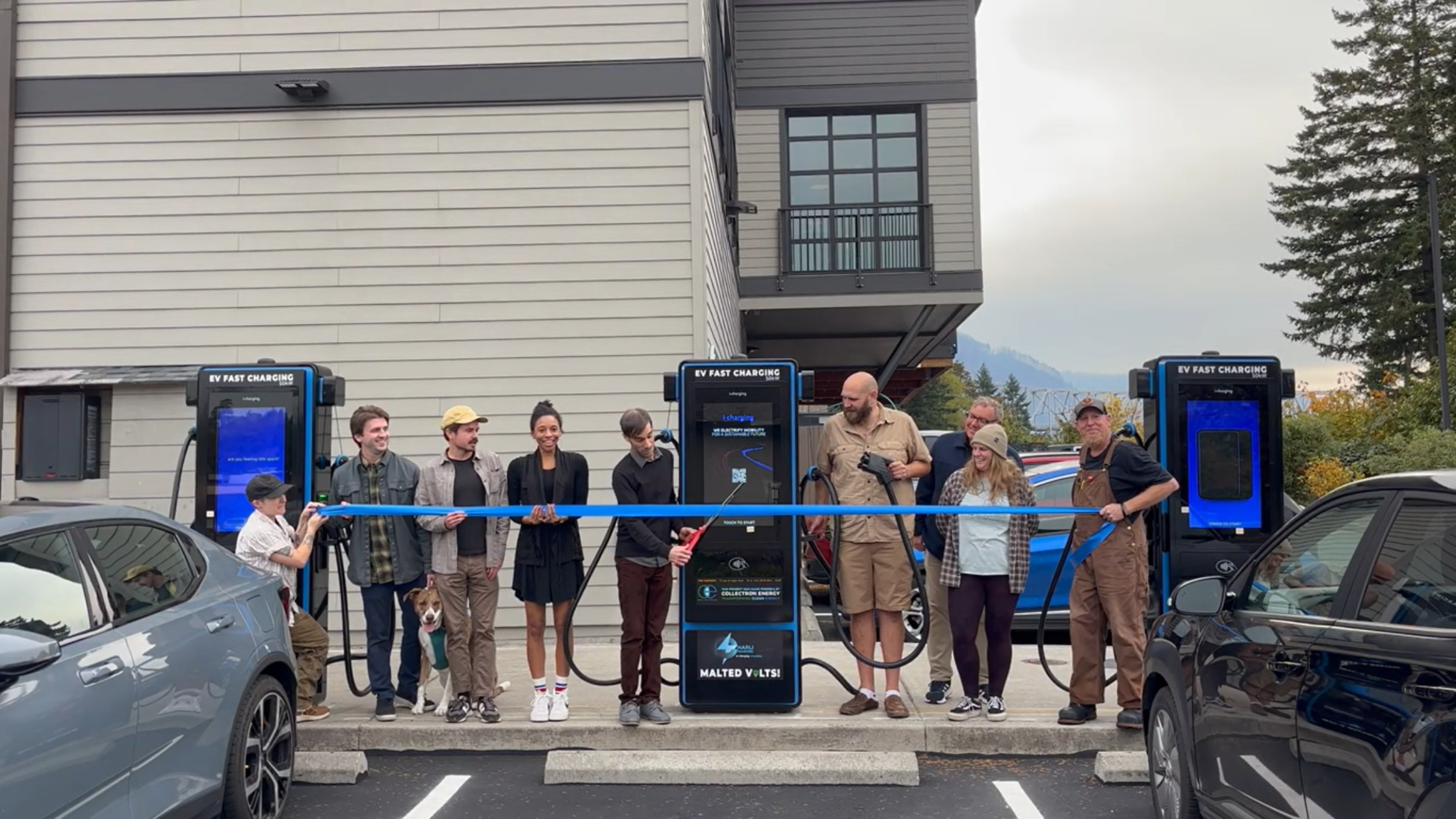
What Does an EV Charging Project Actually Need in the Budget?
An EV charging project involves more than the chargers. Electrical work, installation, site conditions, software, maintenance and future expansion can all affect the budget. Here’s what property owners and organizations should consider before putting a number on the project.
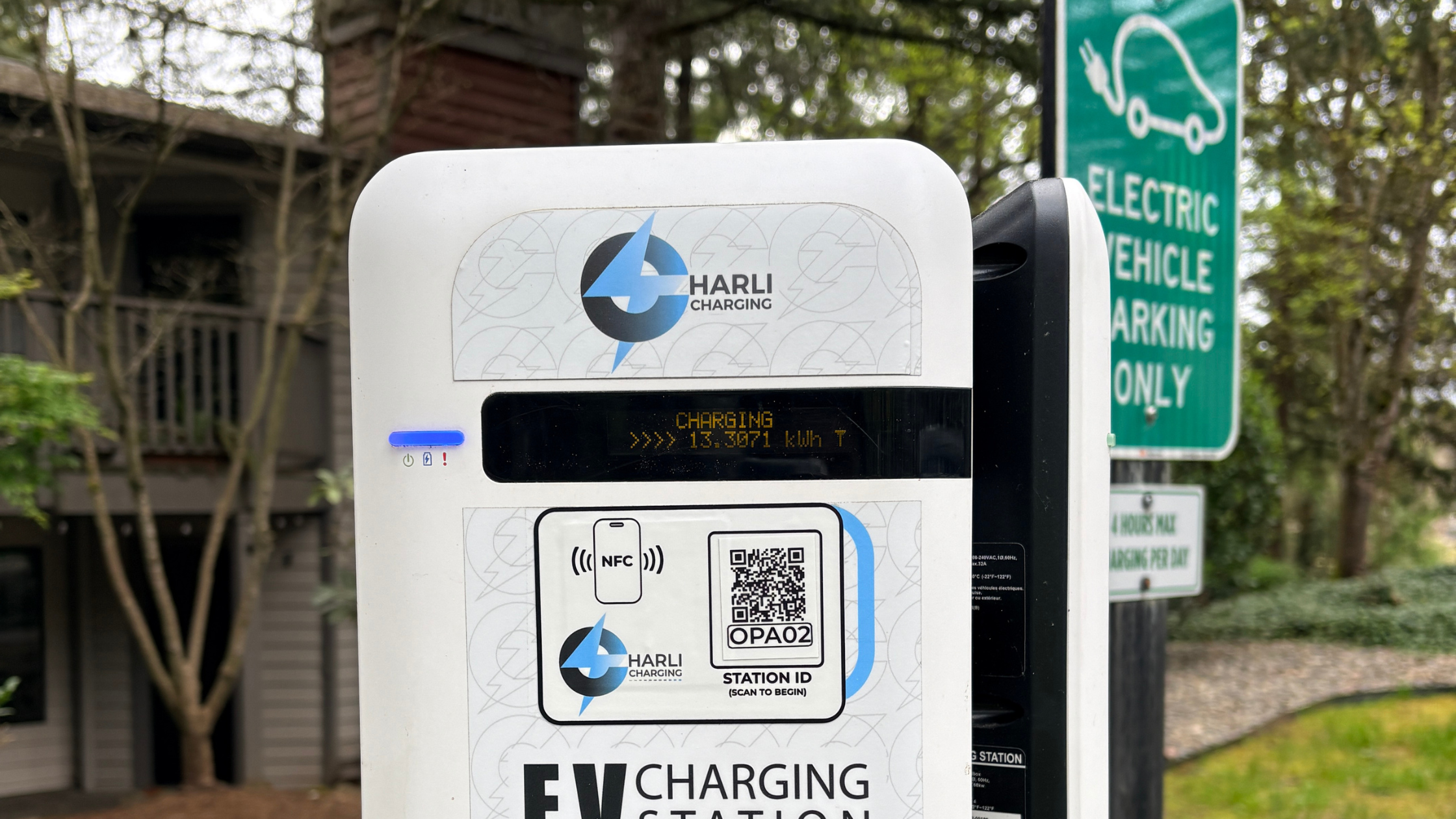
Before You Finalize Your 2027 Budget, Look at Your EV Infrastructure
Before finalizing the 2027 budget, organizations should take a closer look at their EV charging infrastructure. Understanding existing equipment, future needs, project costs and potential funding now can help prevent unexpected expenses later.
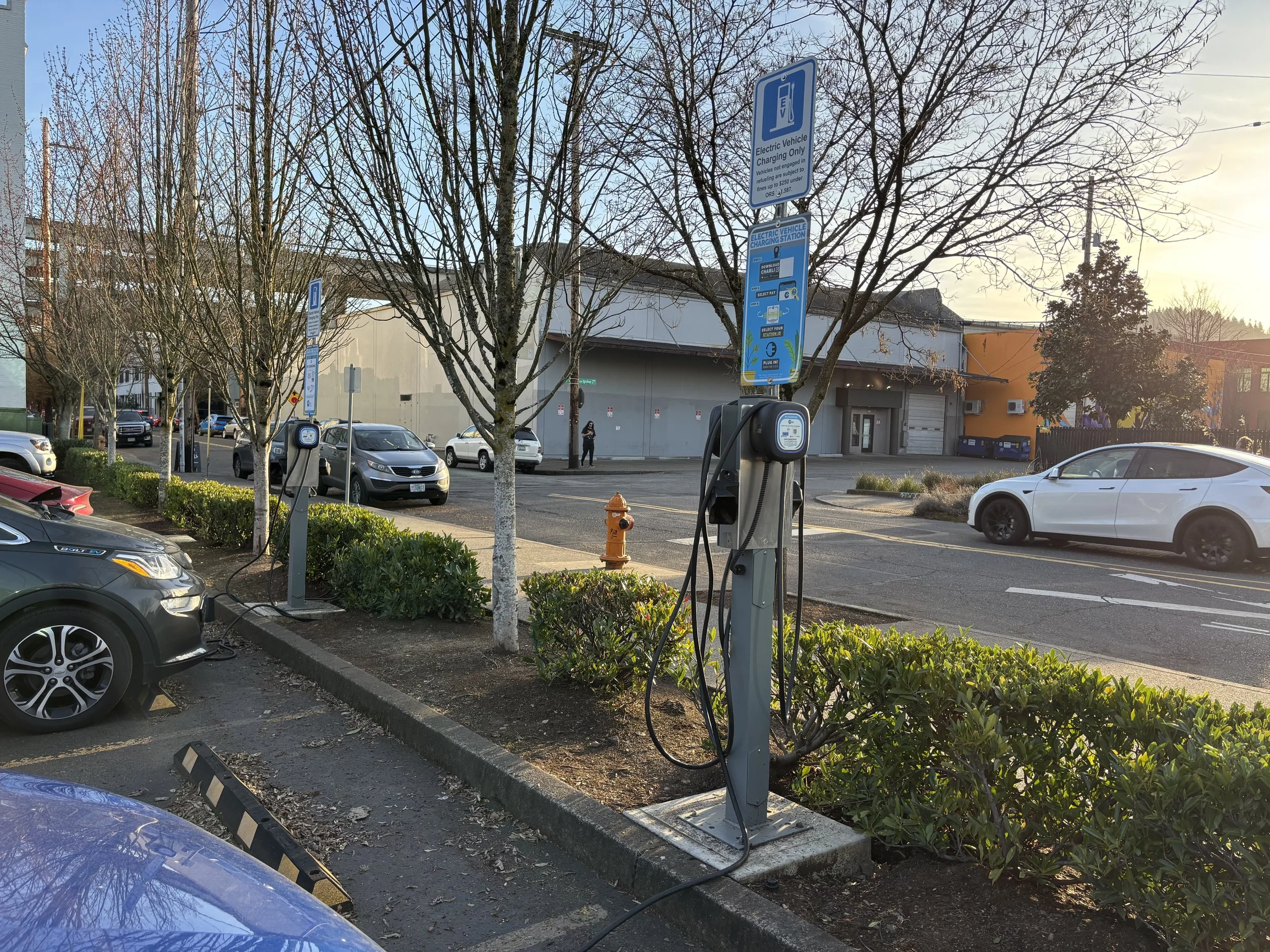
The Hidden Cost of Waiting
Waiting to address EV charging infrastructure may seem like the less expensive option, but deferred maintenance, missed funding opportunities and tenant dissatisfaction can create costs of their own.
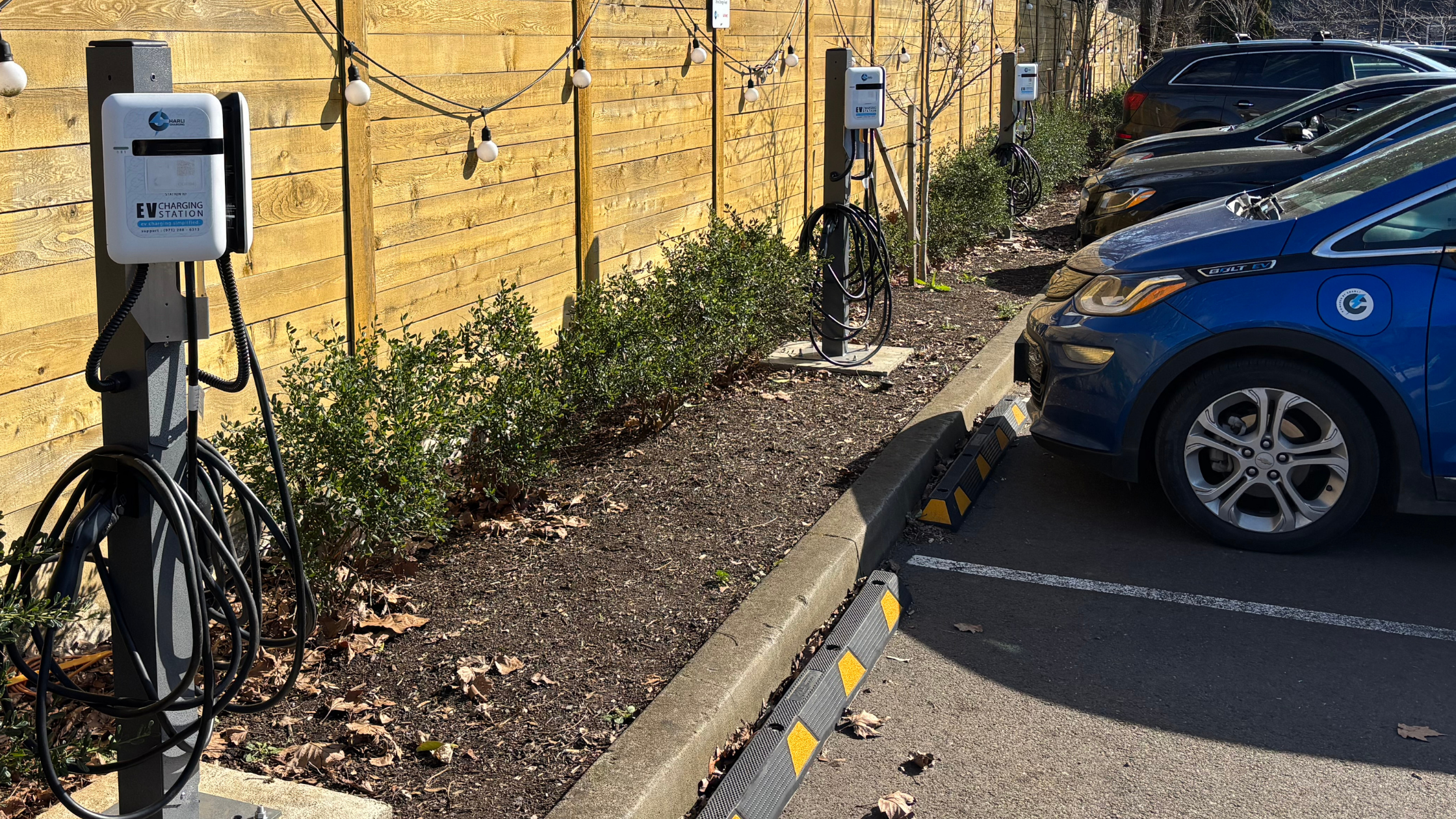
What Asset Managers Really Need From an EV Partner
Asset managers need more than an EV charging installation. They need a partner who communicates, follows through, and stays engaged after the project is complete. This article looks at why reliability, consistency, and ongoing support matter when managing EV infrastructure across commercial properties.

Property Managers Already Have Enough to Worry About
Property managers already juggle tenants, maintenance, vendors, budgets, and unexpected problems. EV charging shouldn’t add another layer of complexity. Learn how a more coordinated approach to infrastructure, maintenance, expansion, and funding can make EV charging easier to manage without turning property managers into EV experts.
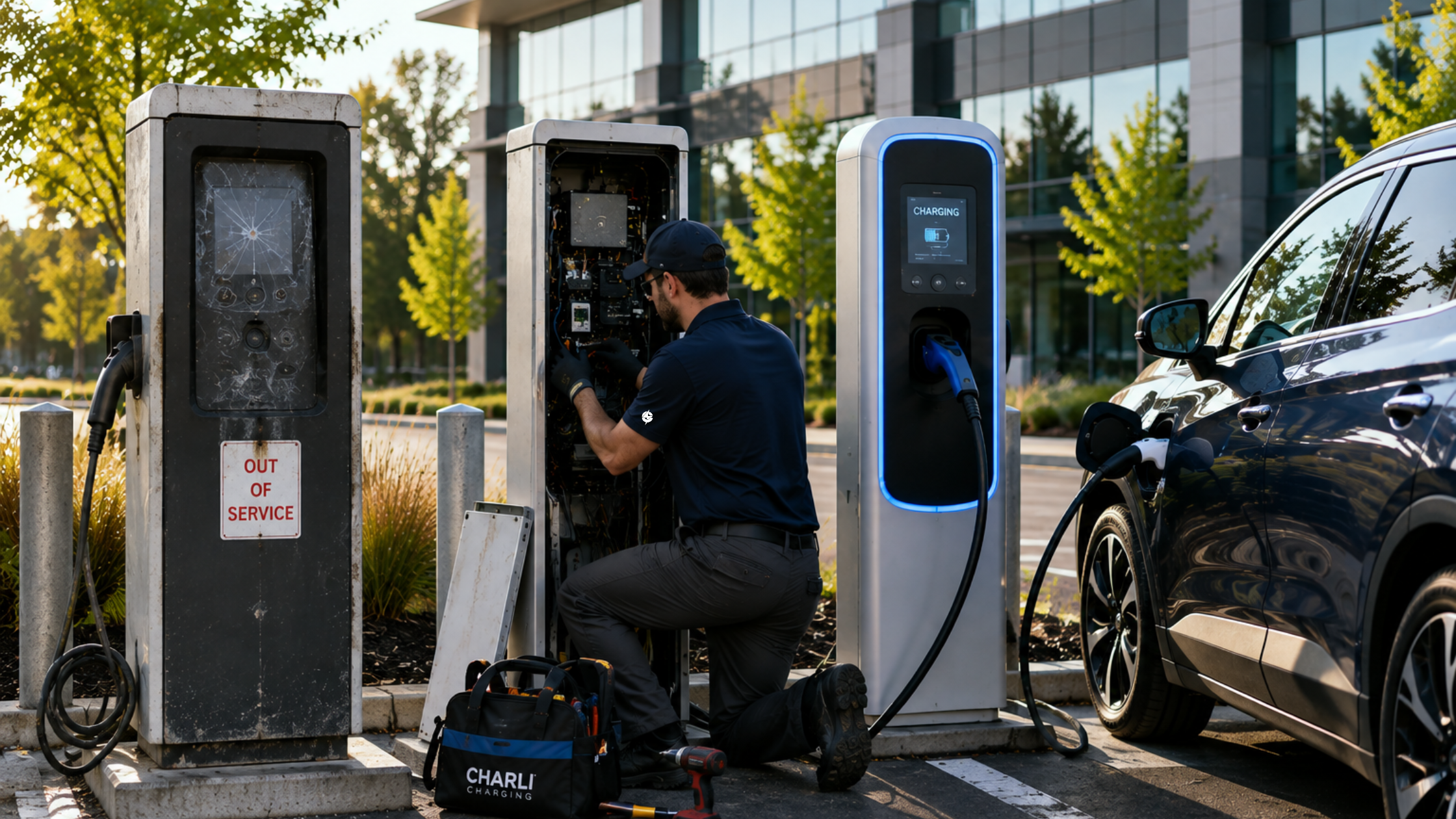
Why Replacing Broken Chargers Shouldn't Be a Capital Project
Many property managers leave broken EV chargers offline for months because replacement feels expensive, complicated, or like another major capital project. But existing infrastructure may make getting chargers operational again easier than expected. Here’s what property owners should evaluate before assuming they need to start over.
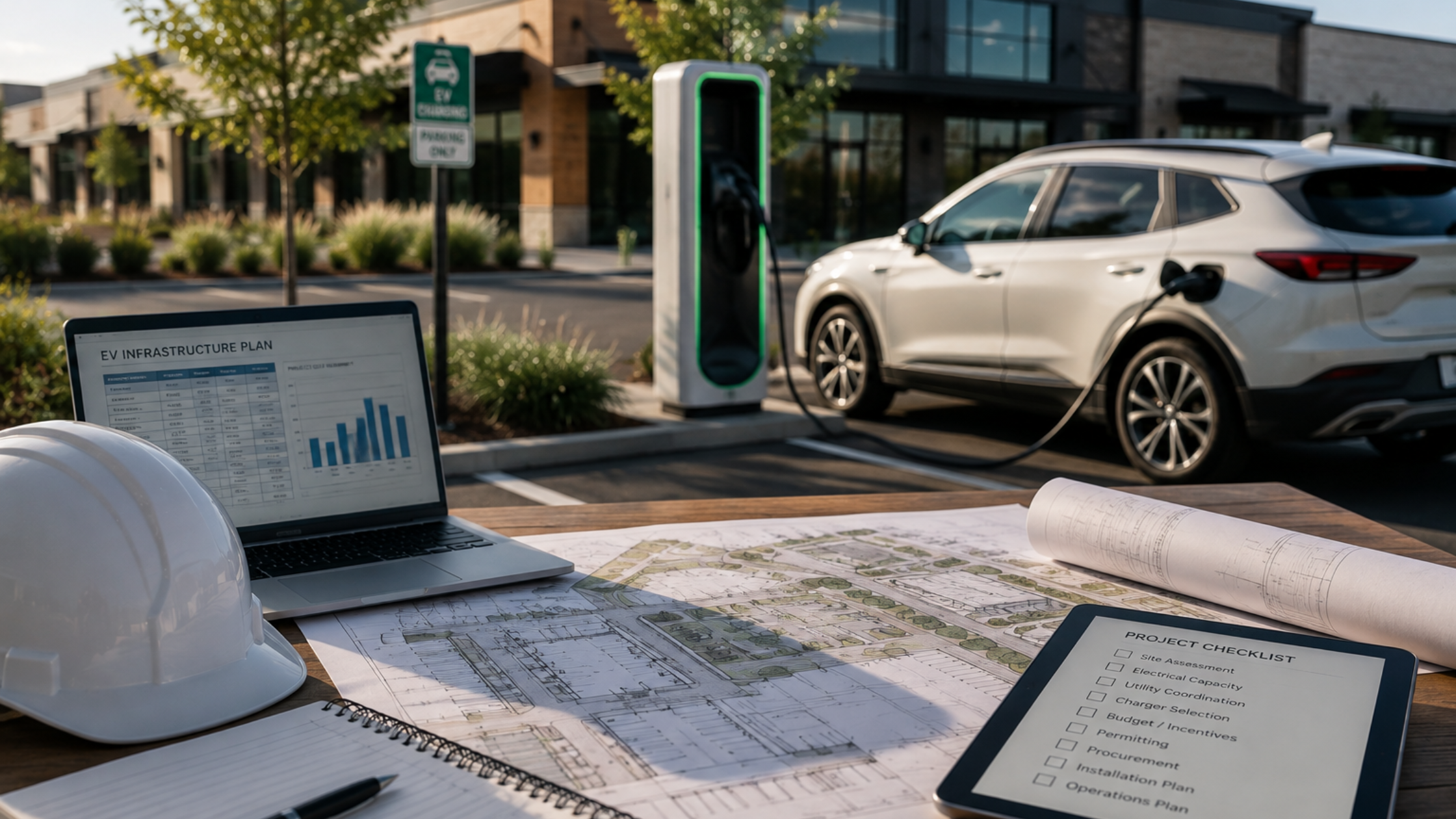
Don't Wait for the Grant Announcement
Grant funding can help move an EV infrastructure project forward, but successful projects rarely begin when the application opens. They begin months earlier with thoughtful planning, site evaluation, and a clear understanding of operational goals. This article explores why preparation gives commercial property owners a stronger position when funding opportunities become available.

Why Commercial Properties Are Becoming Transportation Hubs
Commercial properties are doing far more than providing space for tenants and customers. They are becoming connected hubs where people, goods, energy, and transportation intersect every day. This article explores how changing transportation patterns are reshaping commercial real estate and why property owners are beginning to view mobility, logistics, and infrastructure as part of a broader business strategy.

The First Five Minutes: Why Arrival Experience Is Becoming a Competitive Advantage
People begin evaluating your property long before they walk through the front door. From parking and traffic flow to accessibility and wayfinding, those first five minutes shape how tenants, employees, customers, and visitors experience your property. This article explores why the arrival experience has become an important part of commercial property strategy and how thoughtful infrastructure decisions can create lasting operational and competitive advantages.

What Commercial Real Estate Can Learn from Climate Tech Innovation
What can commercial real estate learn from the companies shaping the future of climate technology? Drawing on insights from Harvard Innovation Labs and Climate Tech Week, this article explores why the most successful innovations solve practical business challenges and how property owners can apply that same mindset to infrastructure, energy planning, tenant expectations, and long-term asset performance.

Charge Here, Explore Here: Why Destination Charging Matters
The most successful EV charging locations offer more than a place to plug in. They connect drivers to local businesses, attractions, restaurants, and experiences that reflect the communities they serve. As destination charging continues to grow, property owners, tourism leaders, and municipalities are discovering how EV infrastructure can support economic activity, encourage longer visits, and strengthen connections between travelers and local destinations.
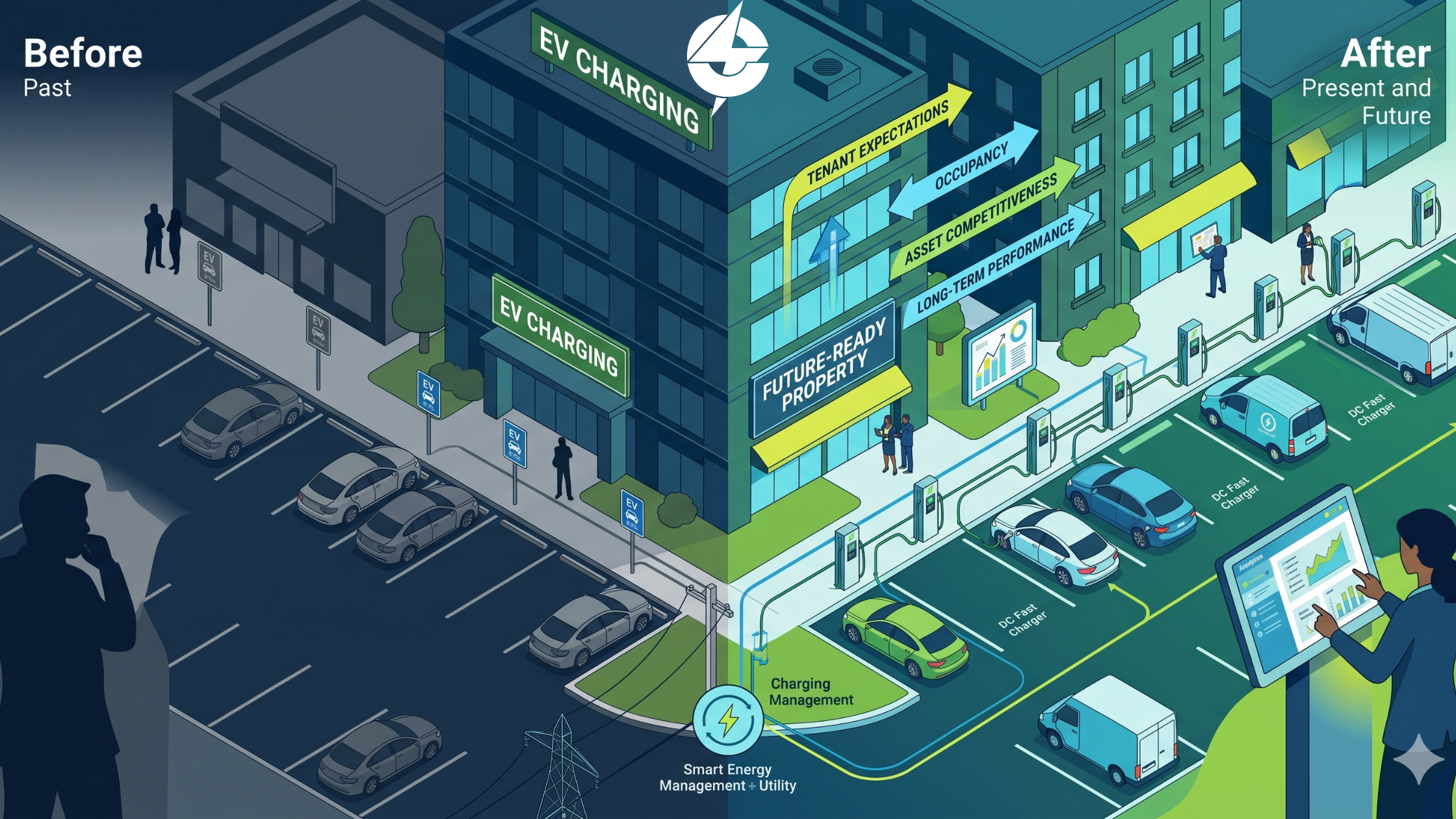
Why More Commercial Properties Are Installing EV Chargers
Commercial property owners are increasingly viewing transportation, parking, and energy infrastructure as part of their overall property strategy. As tenant expectations evolve and electric vehicle adoption grows, EV charging is becoming a practical investment that supports asset competitiveness, tenant satisfaction, and long-term property performance. Here's why more commercial properties are making charging infrastructure part of their future plans.
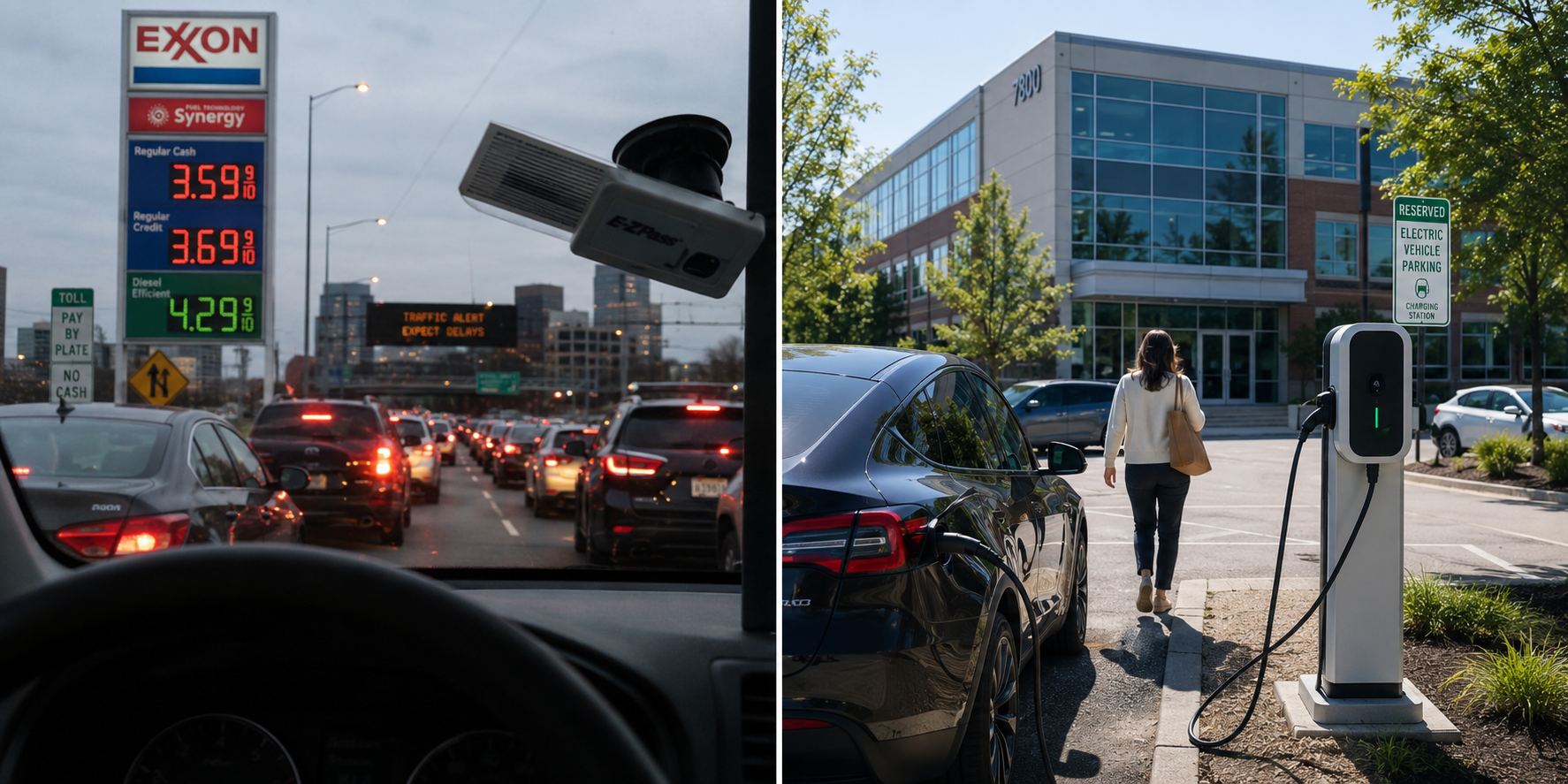
Why Workplace EV Charging Is Becoming an Employee Retention Tool
As return-to-office policies expand, transportation costs are becoming a workplace issue. Employees are once again managing expenses tied to commuting, while employers are looking for practical ways to improve the office experience. Workplace EV charging is emerging as a benefit that can reduce transportation costs, increase convenience, and support employee retention efforts.

The Hidden Cost of Return-to-Office Policies
As organizations continue bringing employees back to the office, one challenge is often overlooked: the cost of the commute. Rising fuel prices, parking expenses, and transportation costs are becoming a growing factor in employee satisfaction, retention, and workplace strategy. Here's why transportation may be one of the most important return-to-office conversations happening today.
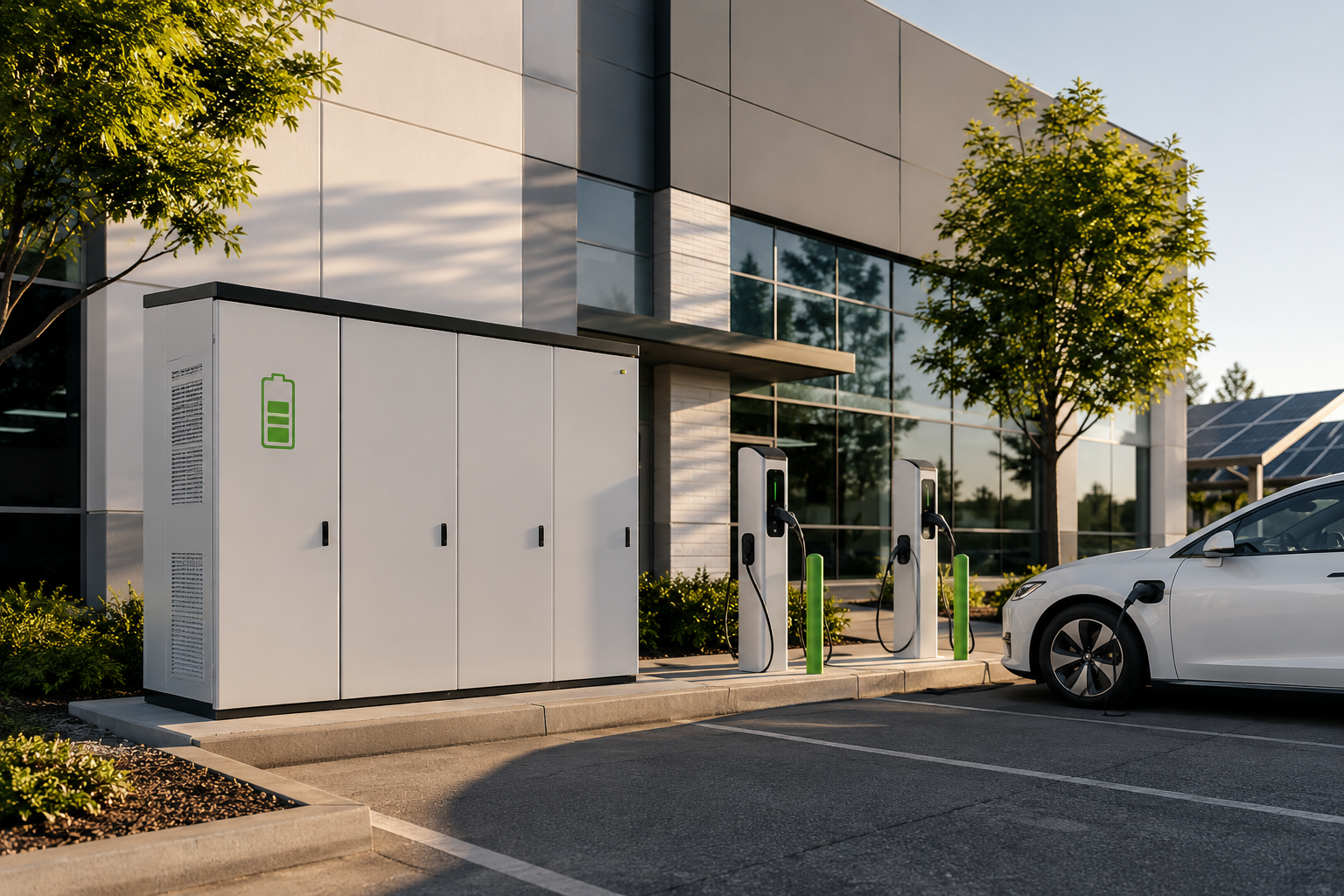
The Tax Incentive Most Property Owners Still Aren’t Using
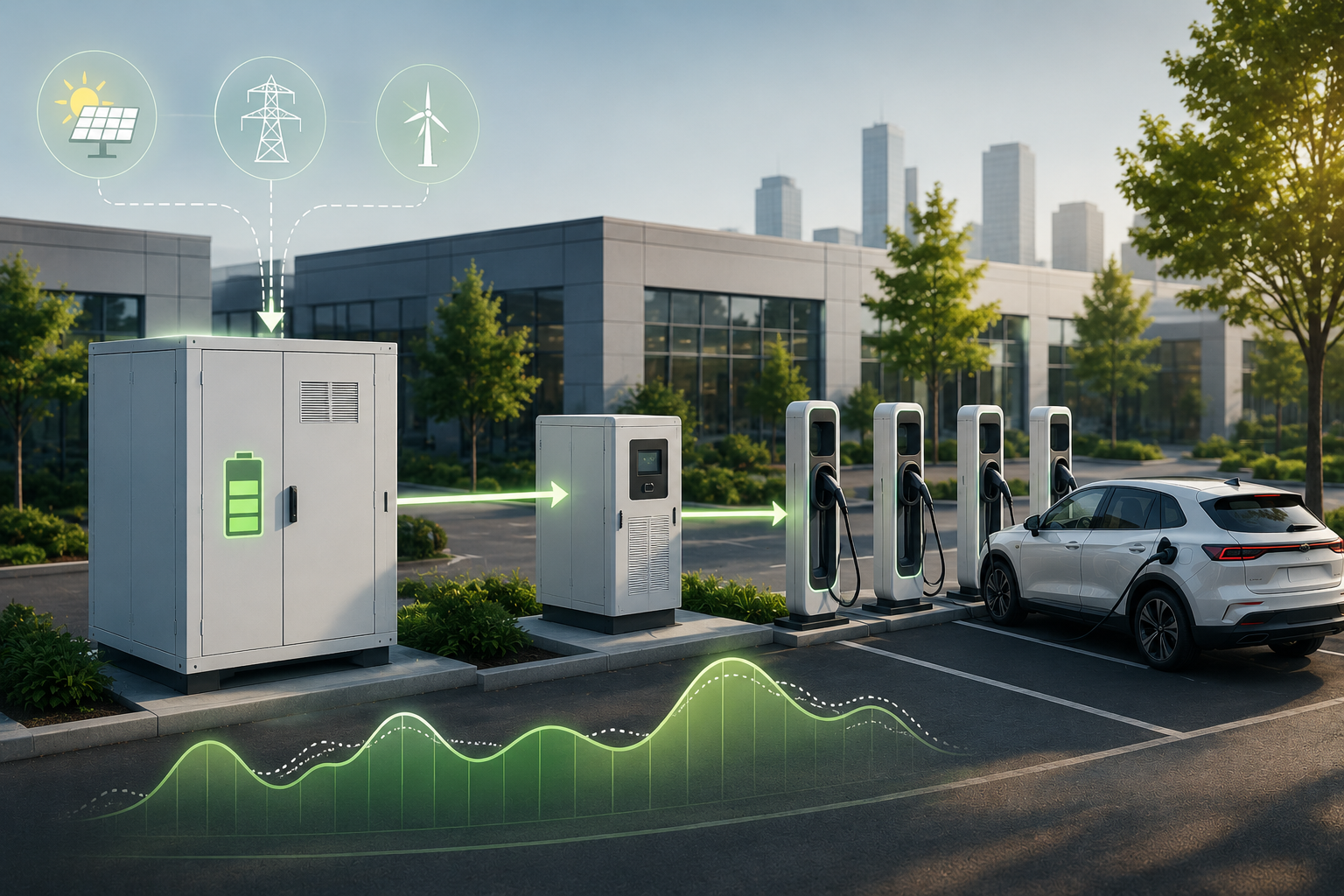
Many commercial property owners still are not fully aware of how battery storage incentives can improve the economics of EV infrastructure projects. As energy demand grows and properties modernize, battery-backed systems are becoming a strategic way to reduce operating costs, improve flexibility, and support long-term infrastructure planning.
How Battery Storage Can Offset EV Infrastructure Costs
As EV charging demand grows, more commercial properties are evaluating battery storage and charging infrastructure together instead of separately. Battery-backed systems can help reduce demand charges, improve energy flexibility, and support long-term infrastructure planning while making EV deployment more financially practical.