Before You Apply for EV Funding, Ask These 5 Questions
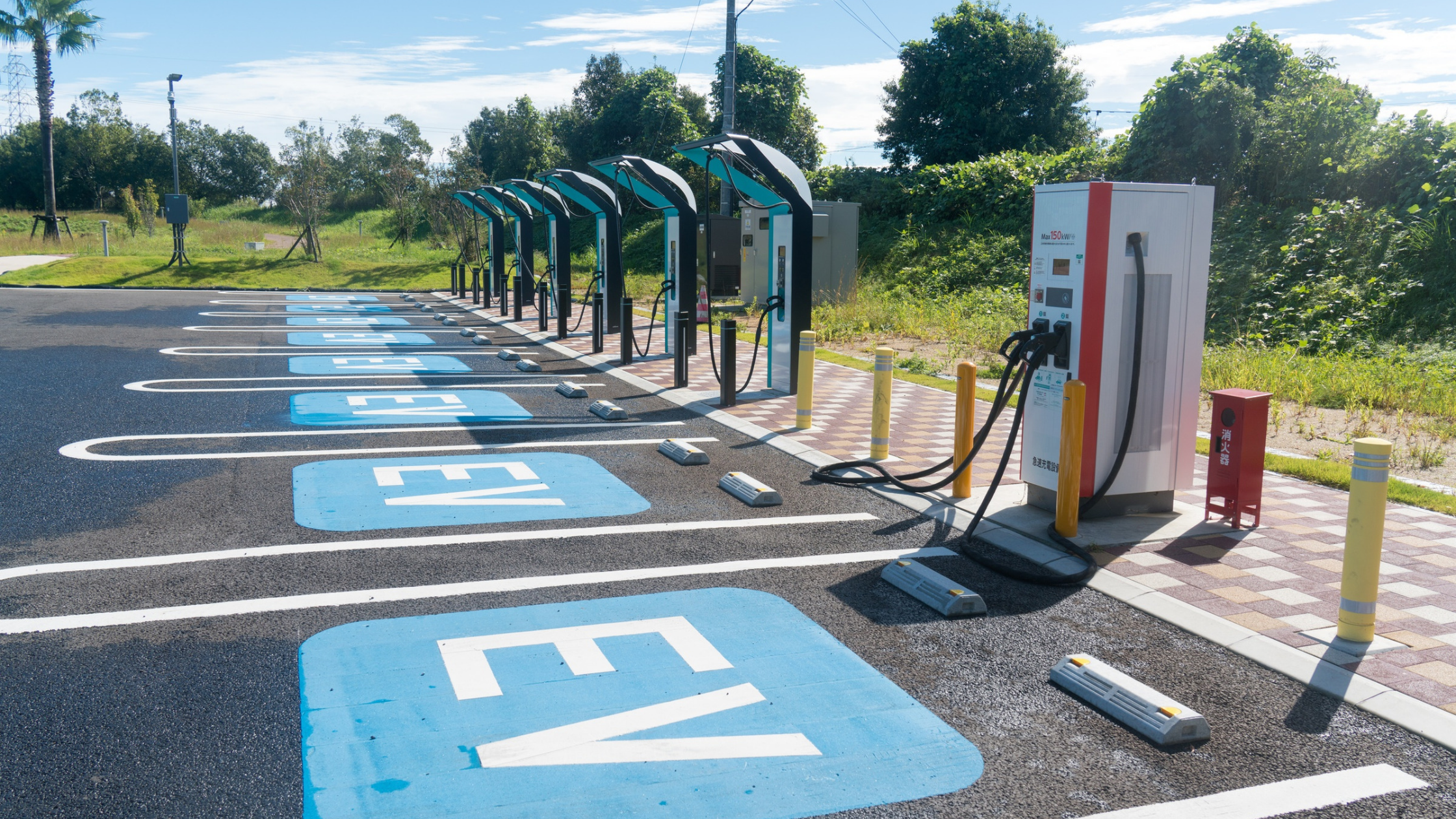
EV charging incentives can make infrastructure projects more affordable, but understanding your property's needs, costs, and requirements before applying can help you make better use of available funding.
Funding can make a significant difference when an organization is considering an EV charging project. For property owners who have been weighing installation costs against other improvements, rebates and incentives may provide the financial support needed to move an idea forward.
Oregon's latest Community Charging Rebates funding round is one example. With support available for eligible Level 2 and DC fast-charging projects, organizations have another opportunity to explore infrastructure improvements that might otherwise remain on their wish lists.
But finding a funding opportunity is only the beginning. Before submitting an application, property owners need to understand what they're trying to accomplish, what their site can support, and how the available funding fits into the overall project.
That doesn't mean every detail needs to be finalized before exploring an incentive. It means asking a few important questions early enough to avoid unnecessary expenses, unrealistic expectations, or applications that don't align with the property's needs.
Here are five questions worth considering before moving forward.
1. What Problem Are We Trying to Solve?
The first question is why the property needs EV charging in the first place.
For a multifamily community, the need may come from residents who own electric vehicles but don't have convenient access to charging at home. A workplace might be responding to employees who need reliable charging during the day. A commercial property could be considering charging as an additional amenity for customers and visitors.
Other organizations may be planning for fleet electrification, supporting sustainability commitments, or preparing their facilities for changing transportation needs.
Each of these situations creates a different set of priorities. A property where vehicles remain parked overnight may benefit from a different charging approach than one serving drivers who need to charge and leave within a shorter period.
Understanding who will use the chargers, how often they'll be needed, and what experience the property wants to provide helps guide decisions about equipment, location, and capacity. It also helps prevent organizations from investing in infrastructure that looks attractive on paper but doesn't match how the property actually operates.
2. What Can Our Property Support?
Once an organization understands its charging needs, the next step is determining what installation might involve.
Every property has its own electrical infrastructure, parking configuration, and physical limitations. Two buildings with similar parking lots can have very different installation requirements depending on their existing electrical capacity, distance from available power, and where chargers would need to be located.
Some properties may be able to accommodate charging equipment with relatively modest electrical work. Others may require panel upgrades, additional electrical service, trenching, or coordination with the local utility. Those differences can significantly affect project costs and timelines.
A preliminary site assessment can help identify potential charger locations, evaluate existing infrastructure, and determine whether additional work may be necessary. It can also reveal opportunities to simplify an installation or plan for future expansion.
This information is especially useful when considering funding because some programs have specific requirements for equipment, installation locations, accessibility, or project completion.
The earlier an organization understands its site conditions, the easier it becomes to develop a realistic project plan.
3. What Does the Full Project Actually Include?
It's easy to focus on the price of charging equipment when estimating the cost of an EV infrastructure project. But the charger itself is only one component.
A complete installation may involve electrical engineering, permitting, utility coordination, site preparation, conduit, wiring, equipment installation, networking, testing, and commissioning.
Depending on the property, additional considerations could include parking improvements, accessibility requirements, signage, protective bollards, and ongoing maintenance arrangements.
These details matter because they influence both the total project budget and the amount of work required before chargers become operational. Organizations should also consider what happens after installation. Who will manage the chargers? How will drivers access them? Will the equipment require network subscriptions or ongoing service? Who will respond when a charger needs attention?
A project that looks affordable based on equipment pricing alone may require a different financial commitment once installation and long-term operations are considered.
Defining the scope early gives property owners a more complete picture of what they're investing in and helps them evaluate funding opportunities against realistic costs.
4. What Will We Still Need to Pay After Funding?
Rebates can reduce the cost of EV charging infrastructure, but they don't necessarily cover every expense.
Many incentive programs limit the percentage of eligible project costs they will reimburse. Others place maximum amounts on individual charging ports, equipment types, or project categories.
For example, Oregon's Community Charging Rebates Round 5 offers rebates of up to $8,000 per Level 2 charging port and up to $80,000 per DC fast-charging port, subject to program requirements and applicable cost limits.
Those amounts can be meaningful, but they shouldn't be mistaken for a guarantee that the full installation will be covered. Property owners need to understand which expenses qualify, what costs may fall outside the program, and how much funding their organization would still need to contribute.
The timing of the financial support matters, too. Some programs operate through reimbursement, which may require applicants to cover eligible expenses before receiving approved funds. That can create cash-flow considerations even when a project qualifies for substantial assistance. A realistic budget should account for the expected rebate, the organization's remaining contribution, potential unexpected expenses, and ongoing operating costs.
Understanding those numbers before committing to a project helps organizations make more informed decisions about affordability and timing.
5. Does This Funding Opportunity Actually Fit Our Project?
Not every EV charging incentive is designed for every property or organization.
Programs may have requirements related to applicant type, geographic location, equipment specifications, public accessibility, installation timelines, or how the charging stations will be operated.
A funding opportunity intended to expand public charging access may not be appropriate for a private fleet installation. A program supporting Level 2 charging may have different requirements than one funding DC fast charging. Even within the same program, certain locations or project types may receive priority or have dedicated funding allocations.
Oregon's Community Charging Rebates program, for example, places particular emphasis on expanding charging access in rural and lower-income communities. Round 5 also includes funding for DC fast charging, which broadens the types of projects that may be eligible.
Before applying, organizations should review the current program guidelines and confirm that their proposed project meets the requirements. It's also important to understand when applications are accepted, whether funding is awarded competitively or on a first-come, first-served basis, and what documentation is required.
Taking the time to evaluate these details can help organizations focus their efforts on opportunities that genuinely support their goals.
A Better Starting Point for EV Charging Projects
The availability of funding is encouraging, particularly for organizations that have been interested in EV charging but uncertain about the investment.
However, a successful project starts with more than identifying an incentive. It requires understanding the property, the people who will use the chargers, and the infrastructure needed to support them.
The good news is that property owners don't need to have every answer before beginning that process. An initial conversation can help clarify what the property needs, what installation might involve, and which funding opportunities are worth pursuing. In some cases, the next step may be a site assessment or preliminary budget. In others, it may simply be developing a clearer plan for a future project.
At Charli Charging, we help property owners, businesses, and community-serving organizations evaluate EV charging opportunities, understand project requirements, and explore potential funding.
Considering EV charging for your property? Let's talk about what it would take to make it happen.