The First Five Minutes: Why Arrival Experience Is Becoming a Competitive Advantage
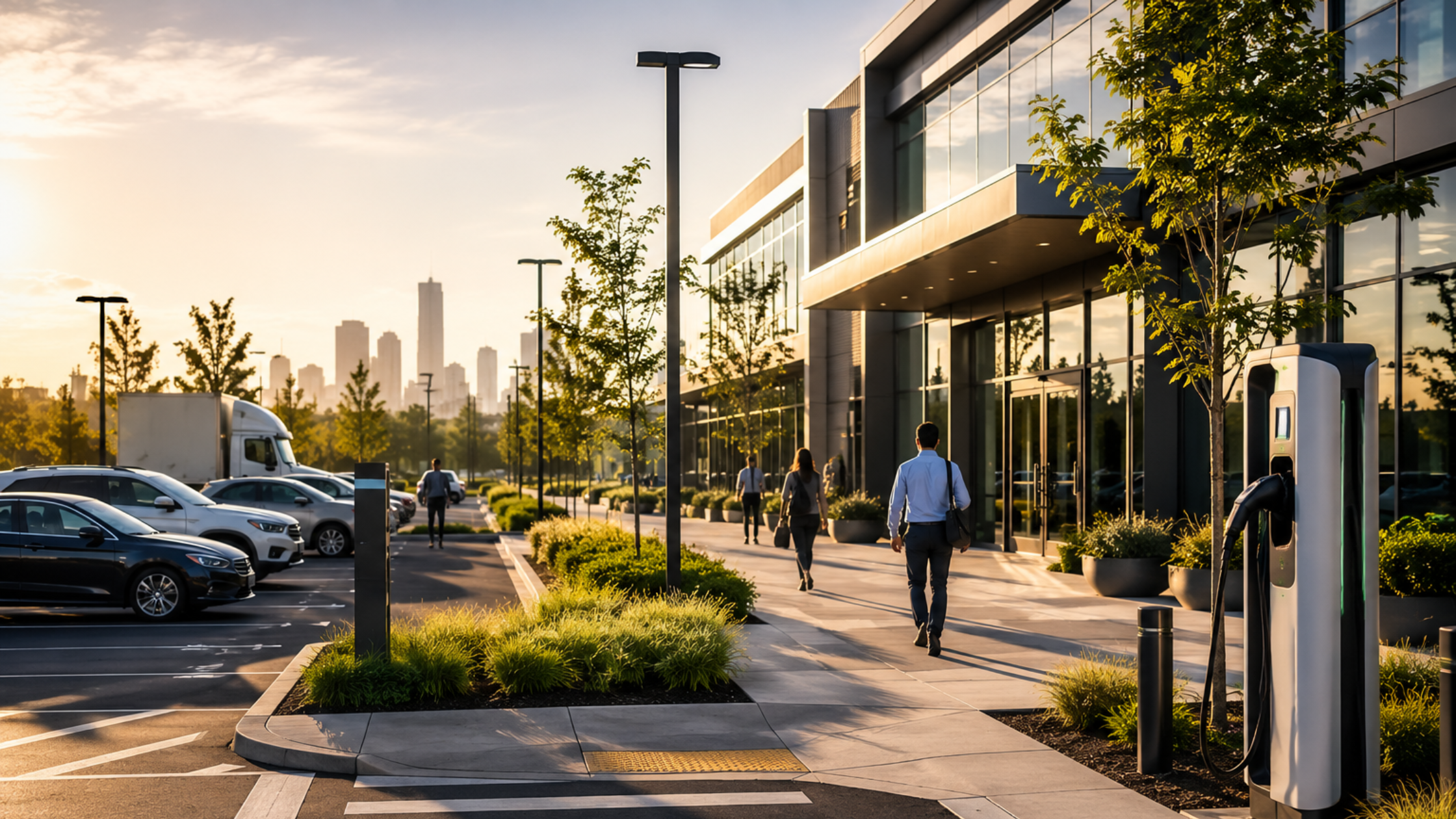
Picture someone arriving at your property for the first time. They haven't walked through the front door yet, but they're already making decisions about the experience you've created. They notice how easy it was to find the entrance, whether traffic flows smoothly through the site, and if parking is intuitive. They pay attention to lighting, landscaping, signage, sidewalks, and whether the property feels organized and well maintained. By the time they reach the building, they've already formed an impression of how your business operates.
Those first few minutes influence far more than convenience. They shape expectations for tenants, employees, customers, vendors, and every other person who interacts with your property. As commercial real estate continues to evolve, the arrival experience has become an operational advantage that deserves the same level of attention as the building itself.
Every Property Serves More Than One Audience
Property owners often think about the people who occupy the building, but every commercial site supports a much broader ecosystem. Employees arrive every morning expecting a predictable commute. Customers want to park, find their destination, and accomplish what they came to do without unnecessary friction. Delivery drivers, contractors, rideshare vehicles, and fleet operators all rely on the property functioning efficiently so they can keep moving.
Each group experiences the property differently, yet they all begin their journey in the same place. They enter from the street, navigate the site, look for direction, and determine how easily they can complete their visit. When those interactions feel effortless, people rarely think about them. When they don't, they become part of the lasting impression the property leaves behind.
Operations Begin Before Someone Enters the Building
It's easy to think of parking lots, sidewalks, and traffic flow as operational necessities rather than business assets. In practice, these elements influence how efficiently a property functions every day.
A poorly designed traffic pattern creates unnecessary congestion during peak hours. Confusing signage causes visitors to stop, hesitate, or drive through the property searching for the correct entrance. Limited accessibility can create frustration before someone has even reached the front desk. Small operational issues often compound over time, affecting employee satisfaction, customer perception, and the overall efficiency of the site.
Property owners who recognize these patterns are beginning to evaluate the arrival experience with the same level of attention they give interior renovations or tenant amenities because both contribute to the overall performance of the property.
Transportation Is Expanding the Conversation
The arrival experience has become even more important as transportation continues to change. Commercial properties now accommodate employees commuting to the office, customers making quick stops, delivery services operating throughout the day, rideshare drivers picking up passengers, and commercial fleets supporting daily operations. Electric vehicles have added another layer by creating opportunities for people to charge while they work, shop, attend appointments, or meet with clients.
These shifts have encouraged many property owners to think more strategically about the spaces surrounding their buildings. Parking areas are no longer simply places to leave a vehicle. They have become active parts of the customer journey and increasingly important components of a property's infrastructure strategy.
What We've Learned in the Field
One lesson we've seen across workplace charging projects is that successful installations rarely begin with selecting charging equipment. The conversation usually starts with understanding how people use the property throughout the day.
Questions about parking availability quickly lead to discussions about employee schedules, traffic flow, visitor access, electrical capacity, and long-term operational goals. Charging infrastructure becomes one piece of a much larger strategy focused on creating a property that functions well for everyone who depends on it.
That perspective changes the conversation. Rather than asking where chargers should be installed, property owners begin asking how the entire site can better support the people who use it every day. Those discussions often produce stronger outcomes because they solve operational challenges alongside transportation needs.
Competitive Advantage Often Starts Outside
Commercial properties compete on many factors, including location, amenities, tenant mix, and operating costs. Increasingly, they also compete on the quality of the experience they provide before someone ever enters the building.
The first five minutes influence whether employees start their day without frustration, whether customers feel welcomed, and whether visitors leave with confidence in how the property is managed. Those moments may seem routine, but together they shape perceptions that are difficult to change once they're established.
Property owners who invest in the arrival experience are investing in far more than parking or infrastructure. They're improving how people interact with their property from the moment they arrive, and that experience has become an increasingly important part of long-term competitiveness.