The Hidden Cost of Waiting
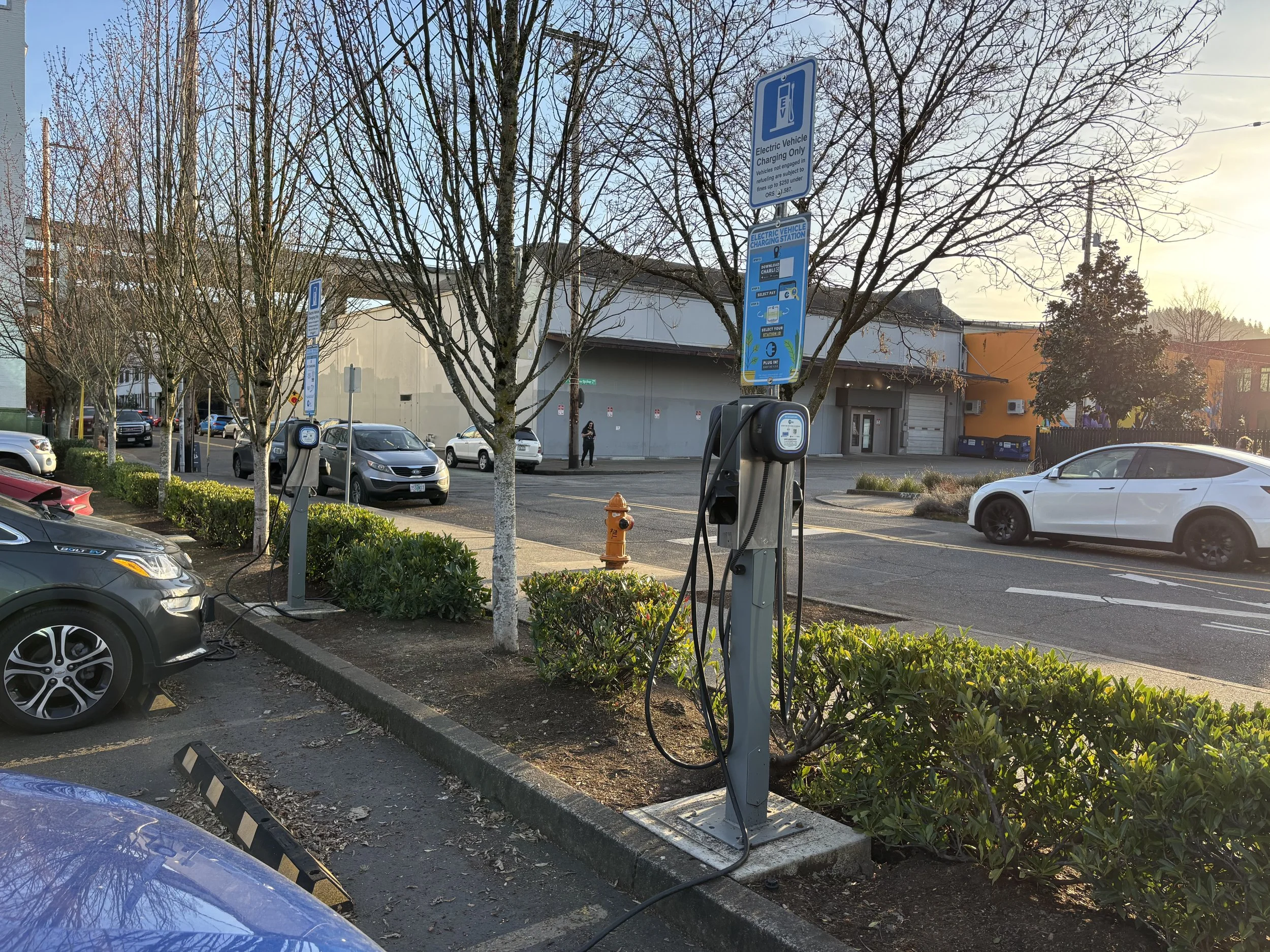
Charli Charging stations serving drivers at a commercial property, where maintaining reliable charging infrastructure is part of the long-term property investment.
For property owners managing EV charging infrastructure, delaying maintenance or future planning can come with costs that aren't always obvious at first.
When an EV charger stops working at a commercial property, replacing or repairing it may not immediately rise to the top of the priority list. Property managers are already balancing maintenance requests, capital projects, tenant needs, vendor relationships and budgets. If the problem does not affect the day-to-day operation of the entire property, it can be easy to decide that it can wait.
The same thing happens with older charging equipment. A property may know its chargers are aging or that additional charging capacity will eventually be needed, but without an immediate reason to act, the project moves from one planning cycle to the next.
Waiting can seem like the less expensive choice. Over time, however, that decision can create costs of its own.
Deferred maintenance is one of them. EV charging infrastructure includes more than the charger a driver sees in the parking lot. Electrical equipment, conduit, wiring, networking and software may all play a role in keeping a station operational. When problems go unaddressed, property owners can lose visibility into the condition of the overall system.
Older equipment can make the situation more complicated. Charging technology and networks continue to change, and equipment that was straightforward to service when it was installed may become more difficult to support years later. Understanding what is installed and what condition it is in gives property owners more time to evaluate whether equipment should be repaired, replaced or incorporated into a larger infrastructure plan.
Waiting Can Cost More Than Repairs
Waiting can also affect a property's ability to take advantage of funding.
EV charging grants, rebates, tax incentives and utility programs can reduce the cost of eligible projects, but those opportunities typically come with application periods, eligibility requirements and limited funding. By the time a property discovers a program that could support a project, there may be a considerable amount of information needed to determine whether applying makes sense.
A property owner may need to understand existing electrical capacity, determine what equipment is needed, establish a preliminary project scope and estimate costs. Starting those conversations before a funding deadline appears can put an organization in a much stronger position when an opportunity becomes available.
Planning ahead does not require committing to a project. It simply gives property owners enough information to make an informed decision while the opportunity is still available.
There is also a less tangible consequence of waiting: the experience of the people using the property.
An out-of-service charger may look like another maintenance item from inside a property office. To the tenant, resident, employee or visitor who expected to use it, the experience is different. They see an amenity that has been unavailable for weeks or months.
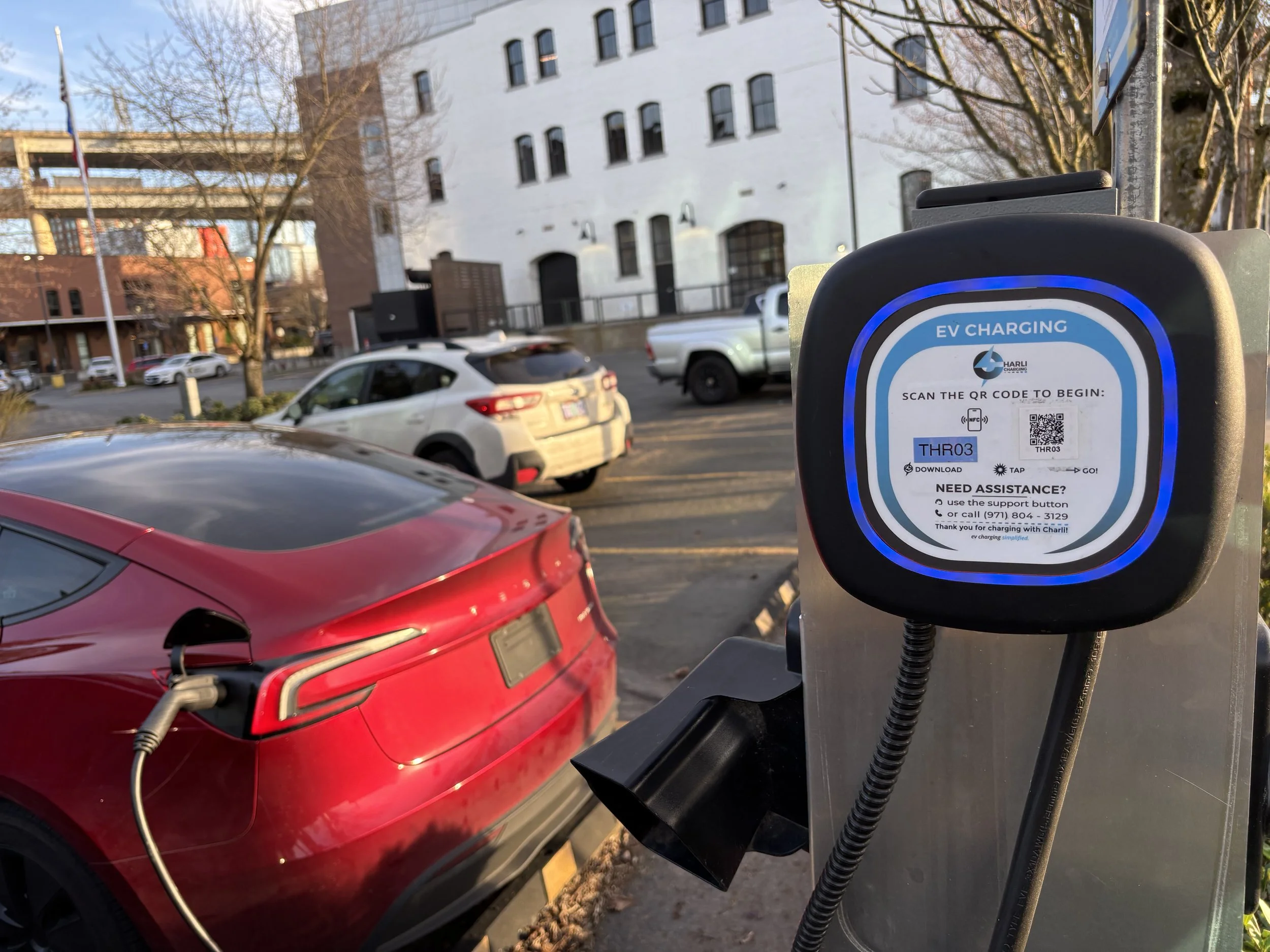
For EV drivers, reliable charging is part of the property experience. When that infrastructure is unavailable, tenants and visitors notice.
As EV adoption grows, charging infrastructure increasingly becomes part of how drivers experience the places where they live, work and spend time. A single broken charger is unlikely to define someone's opinion of a property, but equipment that remains unusable can affect confidence in an amenity that the property has chosen to provide.
For asset managers, that makes EV charging part of a broader conversation about property performance and tenant experience.
The most significant cost of waiting, however, may be the loss of flexibility.
Planning Before It Becomes Urgent
A property evaluating its EV infrastructure before there is an urgent problem has time to understand its existing system, compare equipment options, explore available funding and determine how a future project fits into its capital plan. Those same decisions become considerably more difficult when multiple chargers are offline, tenants are asking when they will be repaired, or a funding deadline is approaching.
Waiting until something becomes urgent does not necessarily make the project impossible. It simply means there may be fewer choices available.
That is why the first step does not always have to be a new installation.
Many properties already have valuable infrastructure in place. Existing electrical service, conduit, wiring or other components may be able to support replacement equipment or a future expansion. An assessment can help determine what is still usable, what needs attention and where the property may need to invest next.
The Cost You Don't See on the Invoice
The price of repairing or replacing equipment is easy to see on an invoice. The cost of waiting is harder to calculate.
It may appear as a funding opportunity that closed before a property was ready, equipment that became more difficult to service, a tenant who stopped relying on the chargers, or a project that suddenly needs to be addressed under pressure.
Property owners do not need to solve every EV infrastructure issue immediately. But understanding what they have today gives them more control over what they may need tomorrow.
Charli Charging works with property owners and managers to evaluate existing EV charging infrastructure, identify maintenance and replacement needs, explore available funding opportunities and plan for what comes next.
If EV charging has been sitting on your property's “we'll deal with it later” list, now may be a good time to understand your options. Book a conversation with Charli Charging.