What Asset Managers Really Need From an EV Partner
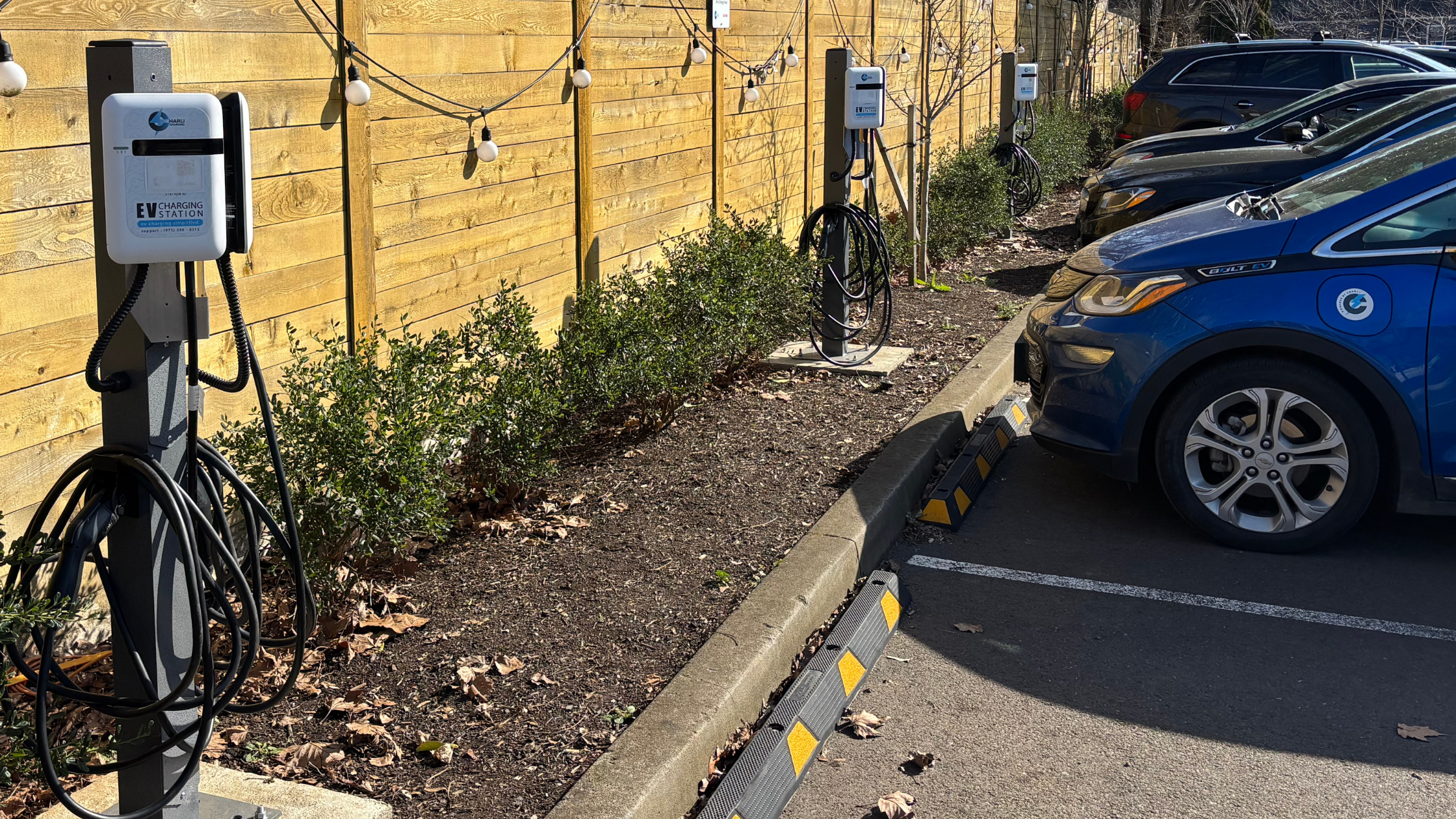
EV charging stations installed by Charli Charging at C.O.R.E. Food Hall
For an asset manager, adding EV charging to a property is not simply a matter of installing equipment and moving on. The installation is only one part of the equation.
Asset managers are responsible for protecting the performance and value of the properties they oversee. That means they need vendors who can do more than complete a project. They need partners who are reliable, communicate clearly, follow through, and understand that the infrastructure they manage is part of a much larger property operation.
EV charging is a good example of this.
A charging station may be a relatively small part of a commercial property, but when it stops working, the problem does not stay small. Tenants notice. Property managers get calls. Site teams have to figure out who is responsible. And the asset manager may suddenly find themselves dealing with an issue they thought had already been handled.
Reliability Comes Before Installation
Getting chargers installed is an important milestone, but it is not the finish line. Asset managers need confidence that the infrastructure will continue to perform after the installation team leaves the property.
That means having a partner who understands what happens after the project is completed, including equipment issues, maintenance needs, replacements, upgrades, and changes to the property's charging needs.
A partner who disappears after installation may have completed the project, but they have not necessarily solved the larger problem. For an asset manager, reliability means knowing there is someone to call when something changes or something stops working.
Consistency Makes Properties Easier to Manage
Asset managers often oversee multiple properties, which means inconsistency can quickly become a management problem. Different equipment. Different vendors. Different processes. Different points of contact. Every additional layer creates another thing someone has to keep track of.
A strong EV partner should bring consistency to the process wherever possible. That includes communication, project expectations, documentation, service, and ongoing support.
The goal is not necessarily to make every property identical. It is to make managing EV infrastructure less complicated.
Communication Is Part of the Service
This sounds basic, but it’s important. When there is an issue at a property, people need to know what is happening.
Is someone looking into it?
What is causing the problem?
What needs to happen next?
Who is handling it?
When should the property expect an update?
Silence creates work. When a property manager has to chase a vendor for answers, the vendor has effectively transferred part of the job back to the property team. Good communication does the opposite. It gives the property team enough information to know what is happening without having to track the vendor down.
The Best Partner Understands the Property, Not Just the Charger
EV infrastructure does not exist in isolation. There may be electrical constraints, parking considerations, tenant expectations, site operations, future expansion plans, funding opportunities, and other property priorities that need to be considered.
An EV partner should understand how its work fits into those larger decisions. That becomes especially important when a property is dealing with older charging equipment. The answer may not be to replace everything.
Sometimes the better question is what can be repaired, refurbished, upgraded, or incorporated into a larger infrastructure plan. That requires someone who can look beyond the equipment itself.
Asset Managers Need Fewer Problems, Not More Vendors
The value of a good partner ultimately comes down to one question:
Does this relationship make managing the property easier or harder?
The cheapest installation is not always the least expensive option if the property team spends the next several years chasing vendors, troubleshooting equipment, and trying to figure out who is responsible when something goes wrong.
Likewise, the newest equipment does not automatically create the best outcome if the project is poorly planned or disconnected from the property's larger needs. Asset managers need partners who will communicate, follow through, understand the property, and stay engaged as those needs change. Installation gets the chargers onto the property.
Reliability, consistency, and communication are what make the partnership work after they're there.
If you're evaluating EV charging for a property or dealing with infrastructure that isn't performing the way it should, Charli can help you look at the bigger picture.