What Does an EV Charging Project Actually Need in the Budget?
Behind the scenes of Charli Charging’s EV charging installation at Thunder Island Brewery, showing some of the work that happens before a charging station is ready for drivers.
The charger may be the most visible part of an EV charging project, but it’s rarely the only expense. Understanding the full project before setting a budget can help property owners avoid surprises later.
When someone starts thinking about adding EV charging to a property, one of the first questions is usually pretty straightforward: How much do the chargers cost?
It makes sense. The charger is the part everyone sees. It’s the equipment sitting in the parking lot, mounted on the wall or showing up in the proposal. But the price of a charger and the cost of an EV charging project are two very different things.
There’s infrastructure behind that equipment. There’s labor involved in getting it installed. Depending on the property, there may be site work, electrical upgrades, software, ongoing maintenance and other costs that need to be considered.
That’s why budgeting for EV charging should start with the project, not just the equipment.
Start With the Property
Before deciding what belongs in the budget, you need to understand what the property can support.
For an existing building, that means looking at the electrical infrastructure and determining what capacity may be available for EV charging. It also means thinking about where the chargers would go and how power would get there.
That second part can make a big difference.
A charger located close to an electrical source can be a very different project from one that requires power to travel across a parking lot. Depending on the site, getting electricity where it needs to go could involve trenching, conduit, wiring, pavement work or other site improvements.
If chargers are already installed, the conversation changes a little.
Now we’re looking at what infrastructure is already there and whether any of it can support replacement equipment or future expansion. Existing conduit, wiring, electrical capacity and other components may affect what the next project requires.
Either way, the parking lot tells only part of the story.
Then There’s the Equipment and Installation
Once you understand the site, you can start making better decisions about equipment.
How many charging ports does the property actually need? What type of charging makes sense for the people who will use it? Are drivers likely to stay for several hours, or does the site need faster charging?
Those decisions influence equipment costs, but they can also influence the infrastructure required to support that equipment.
Then there’s installation.
Labor, electrical work, permits and inspections all need to be considered. Depending on the project, there may also be signage, striping, bollards, accessibility requirements or other improvements around the charging spaces.
This is where a project budget starts looking very different from the price tag on a charger.
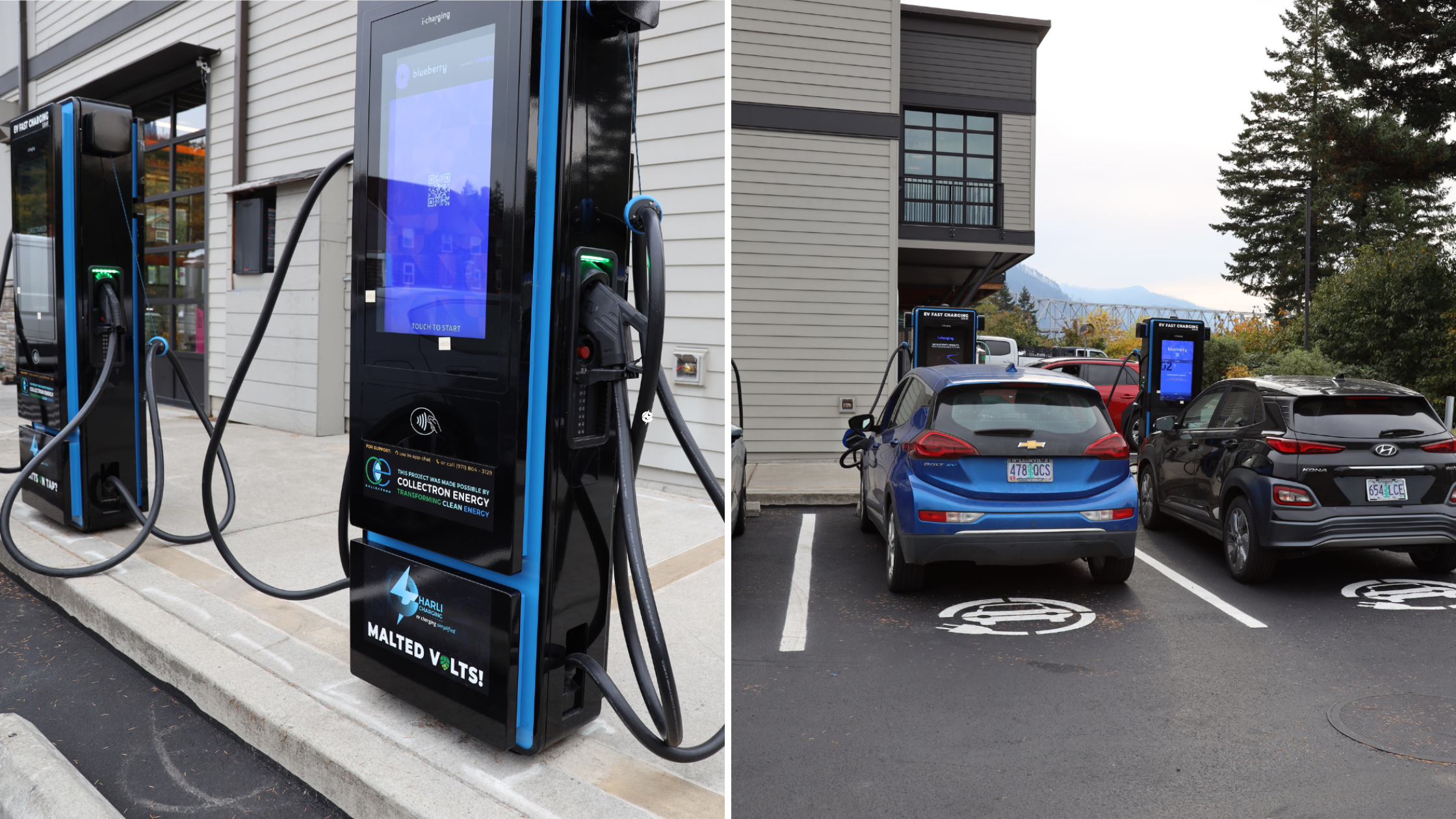
The finished Thunder Island Brewery installation shows the part drivers see, but completing the project is only the beginning. Once chargers are in use, ongoing operation, software, maintenance and reliability become part of the infrastructure conversation.
Don't Forget What Happens After Installation
Another part of the budget conversation is what happens after the chargers are turned on.
Some charging equipment uses networking or software that allows property owners to manage stations, monitor usage, set pricing or see whether equipment is operating properly. Depending on the equipment and how the property plans to use it, those services may come with ongoing costs.
Then there’s maintenance.
EV chargers are equipment, and equipment eventually needs attention. A property may need troubleshooting, repairs, replacement parts or eventually new charging equipment.
That doesn’t mean you can predict every future repair while building the initial budget. But it does mean the financial conversation shouldn’t end on installation day.
If EV charging is going to become part of the property’s infrastructure, it should be treated like infrastructure.
Think About the Next Project While Planning This One
One of the most useful questions a property owner can ask during planning is: What happens if we need more charging later?
Maybe you only need four charging ports today. That doesn’t necessarily mean four will be enough five years from now.
Future expansion can affect decisions made during the first project. Electrical capacity, conduit, equipment placement and other infrastructure choices can determine how easy or difficult it is to add charging later.
Nobody needs to build infrastructure they don't reasonably expect to use. But if growth is likely, it’s worth discussing before everything gets installed. Spending a little more time thinking about the future during planning can help an organization understand which decisions are only about today's project and which could affect tomorrow's.
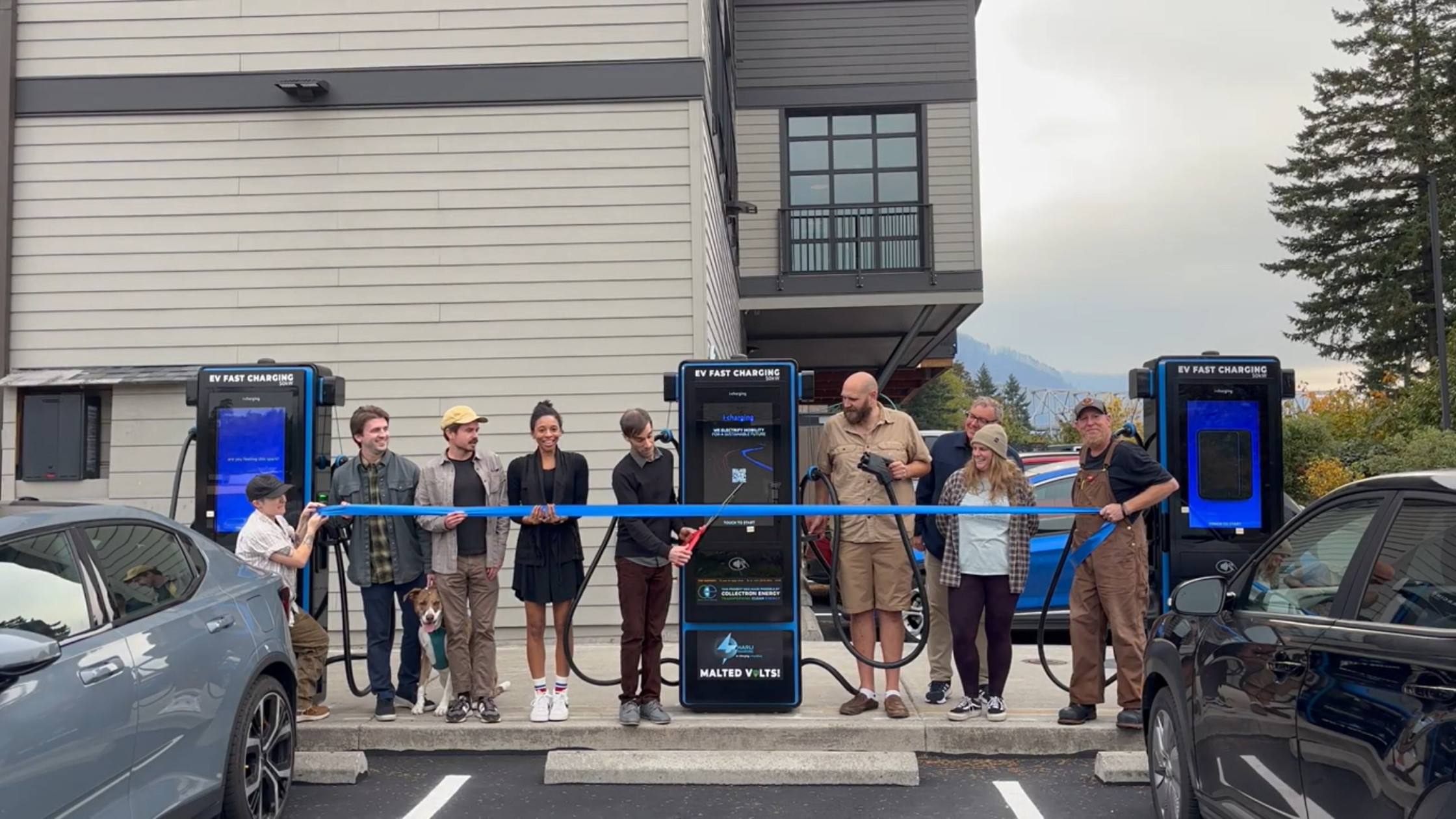
From planning and installation to opening day, the completed Thunder Island Brewery project shows what all of those pieces ultimately build: charging infrastructure that’s ready to serve drivers.
Your Budget Doesn't Have to Be Perfect Yet
If you’re in budget season right now, you probably don't have every answer. That's okay.
The goal isn't necessarily to have a final construction number sitting in your 2027 budget months before a project begins. But to avoid budgeting based on an incomplete picture.
Start with the property. Understand the existing electrical infrastructure. Think about how the chargers would be used. Consider equipment, installation, site work and ongoing costs. Look ahead to whether the property may need more charging later.
And then look at funding.
Depending on the project and location, grants, rebates or utility incentives may help offset eligible costs. Knowing the approximate scope of the project can make it much easier to evaluate those opportunities when they become available.
A charger might be the thing everyone notices when the project is finished. But when you're building the budget, it's everything around that charger that deserves just as much attention.
Charli Charging helps organizations look at the entire EV charging project, from existing infrastructure and site needs to equipment, installation, future expansion and potential funding. If EV charging is part of your 2027 planning, we can help you understand what should actually be in the budget before you start putting numbers on the page. Schedule a call today.