Before You Finalize Your 2027 Budget, Look at Your EV Infrastructure
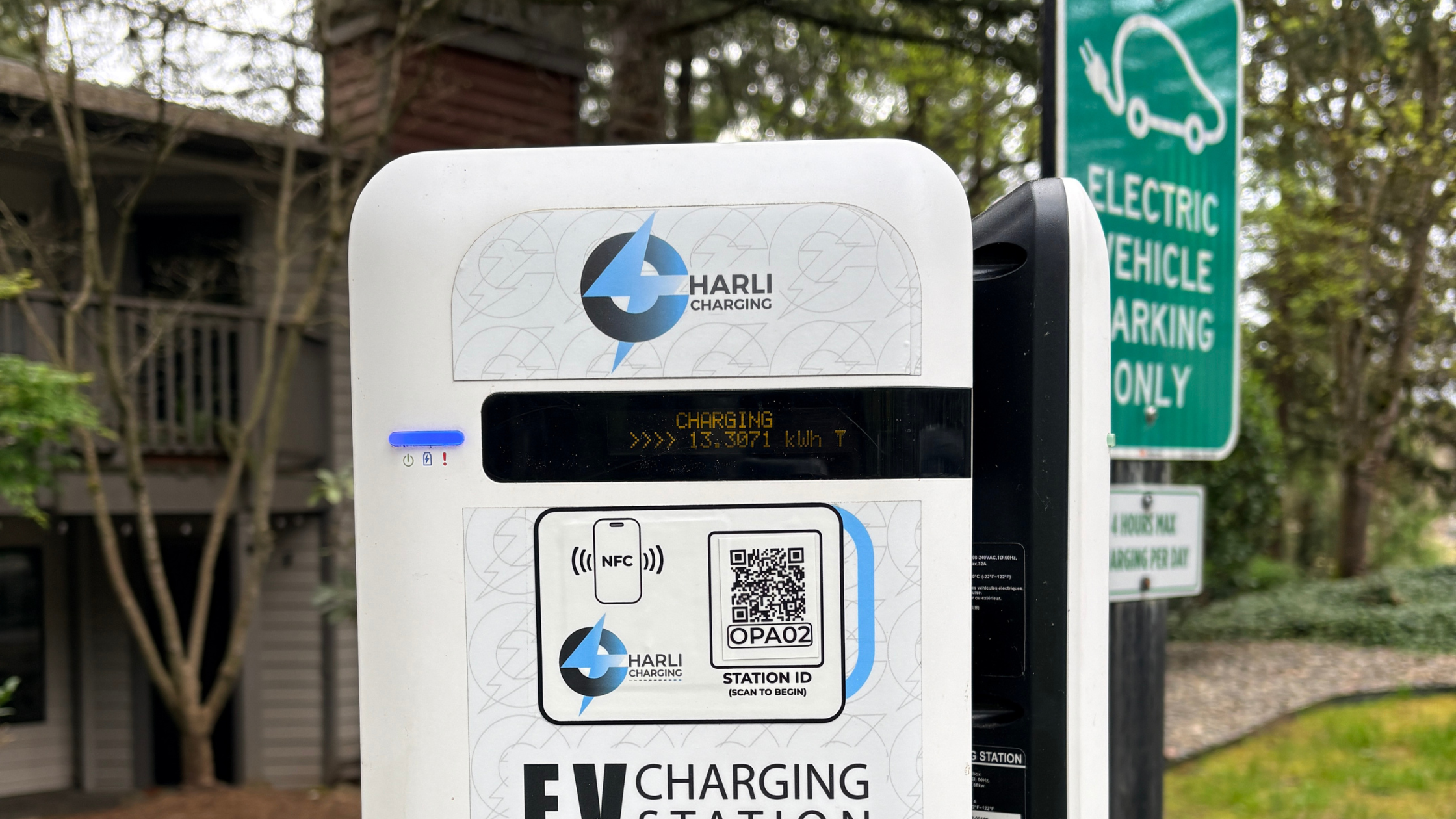
Existing EV charging infrastructure at Oswego Pointe Apartments in Oregon. Reviewing current equipment, performance and future needs can help property owners plan for upcoming maintenance and capital expenses.
EV charging may not be the loudest item competing for attention during budget season, but leaving it out of the conversation now can create an unexpected expense later.
Budget season has a way of making every priority compete for the same dollars.
Property improvements, maintenance, technology, staffing, equipment and dozens of other expenses are being evaluated against what an organization expects to need in the year ahead. For organizations with EV charging already on their properties, or those considering it in the future, this is also a good time to take a closer look at the infrastructure sitting in the parking lot.
That does not necessarily mean putting a new charging project into the 2027 budget. It means asking enough questions now to understand whether one may be coming.
A property with existing chargers may have equipment that is aging, frequently offline or no longer meeting demand. Another organization may have discussed adding charging for employees, residents, visitors or fleet vehicles but never gotten far enough to understand what the project would involve.
Those are easy conversations to postpone when nothing is urgent. Budget season is when they become worth revisiting.
Start With What You Already Have
For properties with existing EV charging, planning should begin with the current system.
How old is the equipment? How reliably is it operating? Are drivers actually using it? Are there chargers that have been offline longer than expected? Is the existing infrastructure capable of supporting additional charging if demand increases?
The answers can reveal whether the property is likely to face maintenance, replacement or expansion costs in the coming year. They can also prevent an organization from budgeting for more than it actually needs.
Replacing a charger, for example, doesn’t always mean rebuilding the entire installation. Existing electrical service, conduit, wiring and other infrastructure may still be usable. Understanding what's already there makes it easier to determine what actually needs to be repaired, replaced or upgraded.
For organizations without chargers, the questions are different but equally useful. Where would charging make sense? Who would use it? What electrical capacity is available? Is the organization thinking about a few Level 2 chargers, a larger installation or something that may need to grow over time?
You don't need every answer during budget season. You need enough information to avoid a surprise later.
The Charger Isn't the Whole Budget
One of the easiest mistakes to make when thinking about EV charging is focusing only on the equipment. The charger may be the most visible part of the project, but the property around it matters just as much.
Electrical work, site preparation, installation, networking or software, signage, accessibility considerations and ongoing maintenance can all affect the scope of a project. The needs will vary considerably from one property to another.
That is why simply searching for the price of a charger online rarely tells an organization what it should put into a budget.
A preliminary look at the property can provide a much more realistic picture. Even if the organization ultimately decides that 2027 isn't the year to move forward, leadership now has information it can carry into future capital planning.
And if something does need attention next year, it is no longer arriving as an entirely unexpected expense.
Funding Can Change the Conversation
There is another reason to start looking before the budget is finished: the amount an organization budgets may not be the same as the total cost of the project.
EV charging grants, rebates, utility incentives and other programs may help offset eligible costs. Depending on the program and project, outside funding can make an infrastructure investment more manageable.
But funding opportunities tend to work on their own calendars.
A grant program is not necessarily going to open at the exact moment an organization decides it is ready. Application windows can be limited, requirements vary and funding can be competitive.
Organizations that already understand what they want to accomplish are in a better position to evaluate an opportunity when one appears. That is especially important for nonprofits and community-serving organizations, where every dollar in a facilities budget may already have several potential destinations.
Instead of automatically deciding that EV charging is too expensive for next year's budget, it may be worth understanding the project first and then determining what funding could potentially support it.
Budgeting Doesn't Mean You're Committing
There is an important distinction between planning for something and committing to buy it.
Looking at EV infrastructure now doesn't mean an installation has to happen in January. It doesn't mean an organization needs to know exactly which charger it wants or how many stations it will eventually install.
It means leadership has fewer unknowns. If equipment begins failing next year, there is already some understanding of the system. If demand increases, expansion has at least been considered. If an attractive funding opportunity opens, the organization isn't starting its planning from zero.
And if nothing needs to happen in 2027, that's useful information too.
Budget season is ultimately about making informed choices with limited resources. EV infrastructure should be treated the same way.
The expensive surprise isn't always the project itself. Sometimes it's discovering halfway through the year that a property needs work nobody planned for, or finding a funding opportunity when there isn't enough time to figure out what the property needs.
Before the 2027 budget gets its final approval, take another look at the parking lot. There may not be an EV project waiting there. But it's better to know now than find out later.
Charli Charging helps organizations evaluate existing EV infrastructure, understand future charging needs, identify potential funding opportunities and plan projects before they become urgent. If EV charging may be part of your organization's 2027 plans, let's start by figuring out what your property actually needs. Schedule a call today.