Why Commercial Properties Are Becoming Transportation Hubs
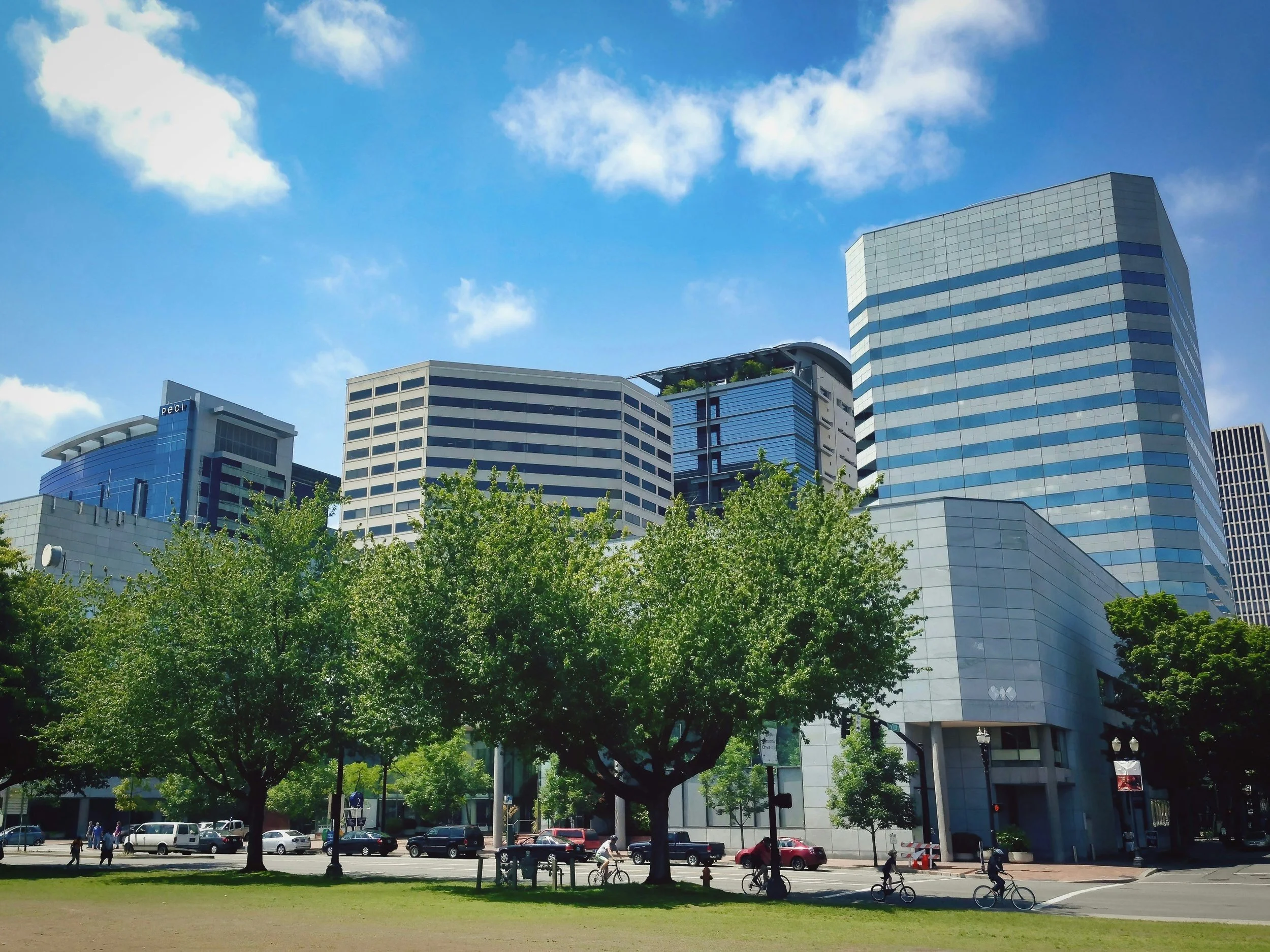
Think about the last time you visited a commercial property. You may have driven to the office, picked up an online order, met a client for lunch, charged your vehicle, or waited for a rideshare. At the same time, delivery trucks were unloading shipments, service vehicles were making scheduled stops, and employees were arriving from every direction.
None of those activities happened inside the building, yet they all influenced how the property functioned.
Commercial properties have always supported transportation in some form. What's changing is the number of ways people and goods now move through them. Office buildings, retail centers, hotels, industrial facilities, healthcare campuses, and mixed-use developments are becoming places where mobility, logistics, and energy intersect throughout the day.
A Property Is Supporting More Than Its Tenants
Many commercial properties were originally designed around one primary purpose. An office building served employees. A shopping center served customers. A warehouse supported distribution. Today, those same properties often serve several audiences simultaneously.
Employees commute to work while contractors arrive for scheduled projects. Customers visit retail stores as delivery drivers make pickups and drop-offs. Rideshare drivers move passengers through designated loading areas while fleet vehicles operate from the same property. Each group has different needs, but they all depend on the site operating efficiently.
Property owners are recognizing that transportation has become part of the overall customer and tenant experience because every interaction begins with how people move through the property.
Transportation and Operations Are Becoming Connected
Transportation decisions rarely stay confined to the parking lot.
Adding designated pickup areas changes traffic patterns. Supporting commercial fleets influences parking layouts and electrical capacity. Workplace charging creates new opportunities for employees while introducing conversations about power management and future energy demand.
One decision often leads to another.
That broader perspective encourages property owners to evaluate projects as part of an overall operational strategy instead of treating each improvement as an isolated investment. Looking at transportation, infrastructure, and building operations together often reveals opportunities that are easy to miss when each project is planned independently.
We've Seen the Conversation Expand
One thing we've learned while supporting commercial charging projects is that clients rarely begin by asking about chargers. The conversation usually starts with a business objective. They want to improve the workplace experience. They need to support a growing fleet. They're preparing for tenant expectations. They're evaluating a new development or planning a capital improvement project.
Charging infrastructure becomes one part of a much larger discussion about how people use the property every day. Questions about parking quickly lead to conversations about electrical infrastructure, traffic flow, accessibility, long-term growth, and operational efficiency.
Those projects succeed because they're designed around how the property functions, not simply where equipment can be installed.
The Opportunity Extends Beyond Transportation
Commercial properties are becoming more connected to the communities they serve.
Employees spend their workday there. Customers stop while running errands. Delivery companies rely on efficient access. Fleet operators depend on reliable infrastructure. Local businesses benefit when visitors spend additional time on the property.
That activity creates opportunities for owners who understand how transportation supports the broader purpose of the site.
A well-planned property doesn't simply provide a place for people to park. It helps people arrive, accomplish what they came to do, and move efficiently to their next destination. As transportation continues to evolve, that experience will become an increasingly important part of how commercial properties compete.
Looking Ahead
The role of commercial real estate is expanding.
Buildings are becoming part of larger transportation networks that connect people, businesses, goods, and energy throughout the day. Property owners who recognize that shift are beginning to plan differently because they understand that today's transportation decisions influence tomorrow's operational performance.
The strongest properties won't be defined by a single amenity or technology. They'll be the ones that support the way people move, work, and do business. Transportation is becoming an essential part of that equation, and commercial properties are increasingly at the center of it.